
Ashton’s Field

A scenic park offering meandering pathways, lush grasslands, and a nod to Salford’s industrial heritage

Ashton’s Field is a former colliery, established in the latter half of the 19th century and ceasing production of coal in the 1960s. Following remediation in the 1990s, this 8-hectare site was transferred to the Land Trust in November 2007. 

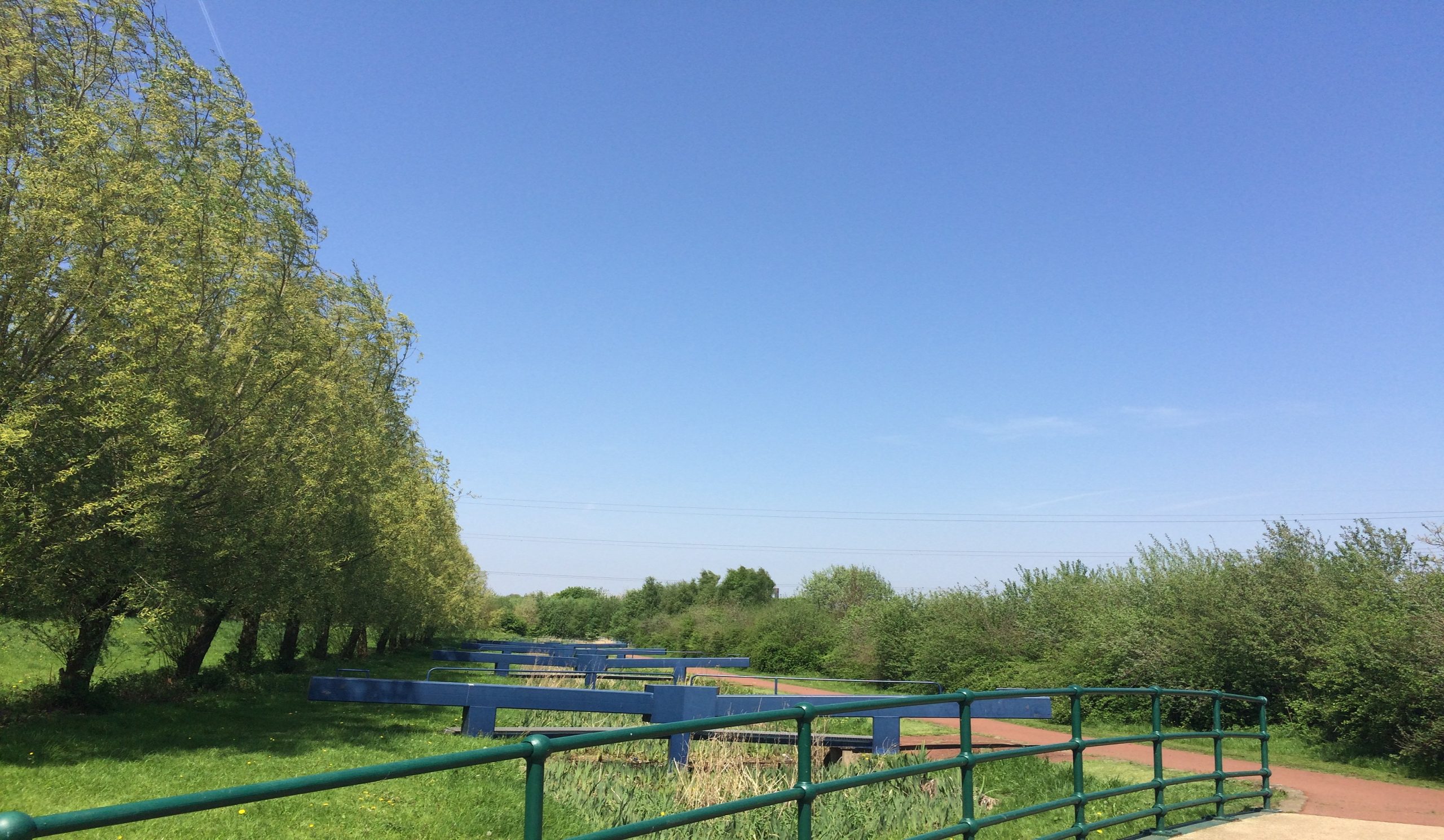
A key feature of Ashton’s Field is the four blue canal locks – but no visible canal! The ornamental locks are a tribute to the underground canals built by pioneering civil engineer, James Brindley, for the Duke of Bridgewater. Opened in 1761, the Bridgewater canal was built to transport coal to Manchester and is widely considered the first modern canal in Britain, featuring 46 miles of canal underground, some of which pass under this site.

Visitor information

Opening hours

Open Access

Car parking

There are no designated parking spaces

Public Transport

7 minute walk from Milton Crescent and Crescent Avenue bus stops

Accessibility

Ashton’s Field has four entrance points; one at the north of the site, off the A5082 (Cleggs Lane), one from the east of the site into a housing development (Everside Close), leading onto Devonshire Road and two others to the south from Windmill Road and the cycle path to Blackleach Country Park. All entrance points lead straight onto tarmac paths

Toilets

There are no toilets available on site

Cafe

There is no cafe on site

Picnics

Picnics are welcome on site, please do take all rubbish home with you

Play Area

There is no children's play area on site

Footpaths

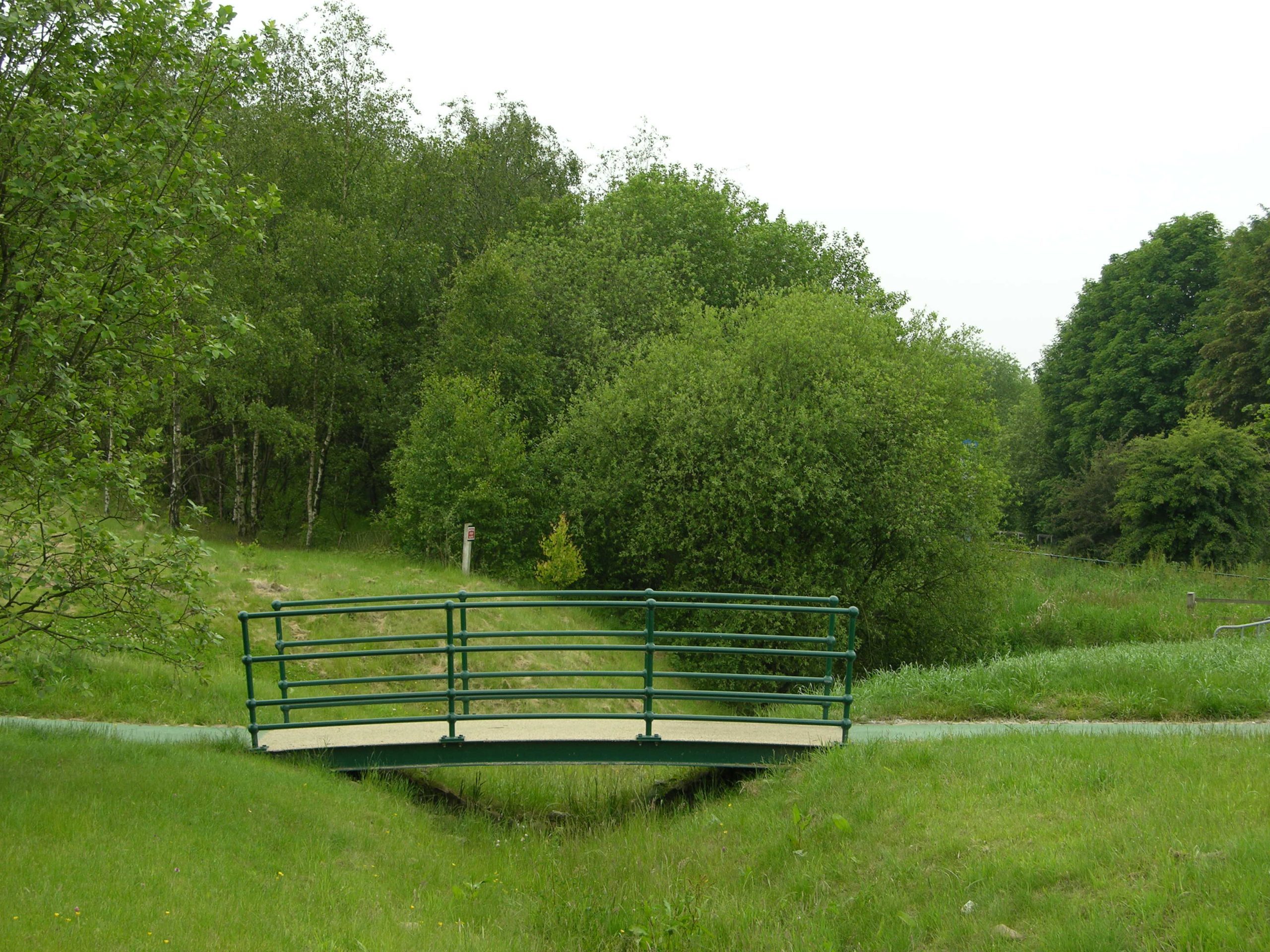
Surfaced footpaths run through the site, passing woodland, grasslands, hedgerows and heathland. Lock gate sculptures commemorate an underground canal. Three public rights of way designated as footpaths pass through the site (Worsley Definitive Footpath 116, 117, 118). The Linnyshaw Loopline cycle route and Salford Trail walking route both run through the site and provide good links to surrounding areas of greenspace include Blackleach Country Park just 0.3 miles away

Bicycles

Responsible cycling is permitted on site, please be considerate of pedestrians, there are no facilities to store/lock bikes

Dogs

Well-controlled dogs welcome, please ensure your dog has good recall before allowing off-lead, there are two dog waste bins available on site

Managed in partnership with

Lancashire, Manchester & North Merseyside Wildlife Trust

Things to see

Keep your eyes peeled as you wander through the woodland and you’ll spot a fascinating mix of trees, from Silver and Downy Birch to European Larch, Rowan, Hazel, Cherry and shimmering Aspen, with the occasional Whitebeam adding an extra surprise. The grasslands are equally full of life, bursting with colour in summer thanks to species such as Crested Dog’s-tail, Meadow Vetchling, Hairy Sedge, Common Knapweed, Red Clover, Meadow Buttercup and Silverweed. Wildlife is never far away at Ashton’s Field. Common frogs breed on site, while at dusk Common Pipistrelle bats flit overhead, following the landscape contours as they hunt for insects. The area also provides a valuable refuge for birds, with Greenfinch, House Sparrow, Mistle Thrush, Song Thrush and Starling all making regular use of the site for feeding, shelter and song.
Help us record the wildlife of Ashton’s Field by downloading the iNaturalist app, adding your sightings to our iNaturalist project and become part of the reserve’s growing species record.

How to get there

Address

Ashton’s Field

Cleggs Lane,
Walkden,
Salford,
Greater Manchester,
M38 9PU
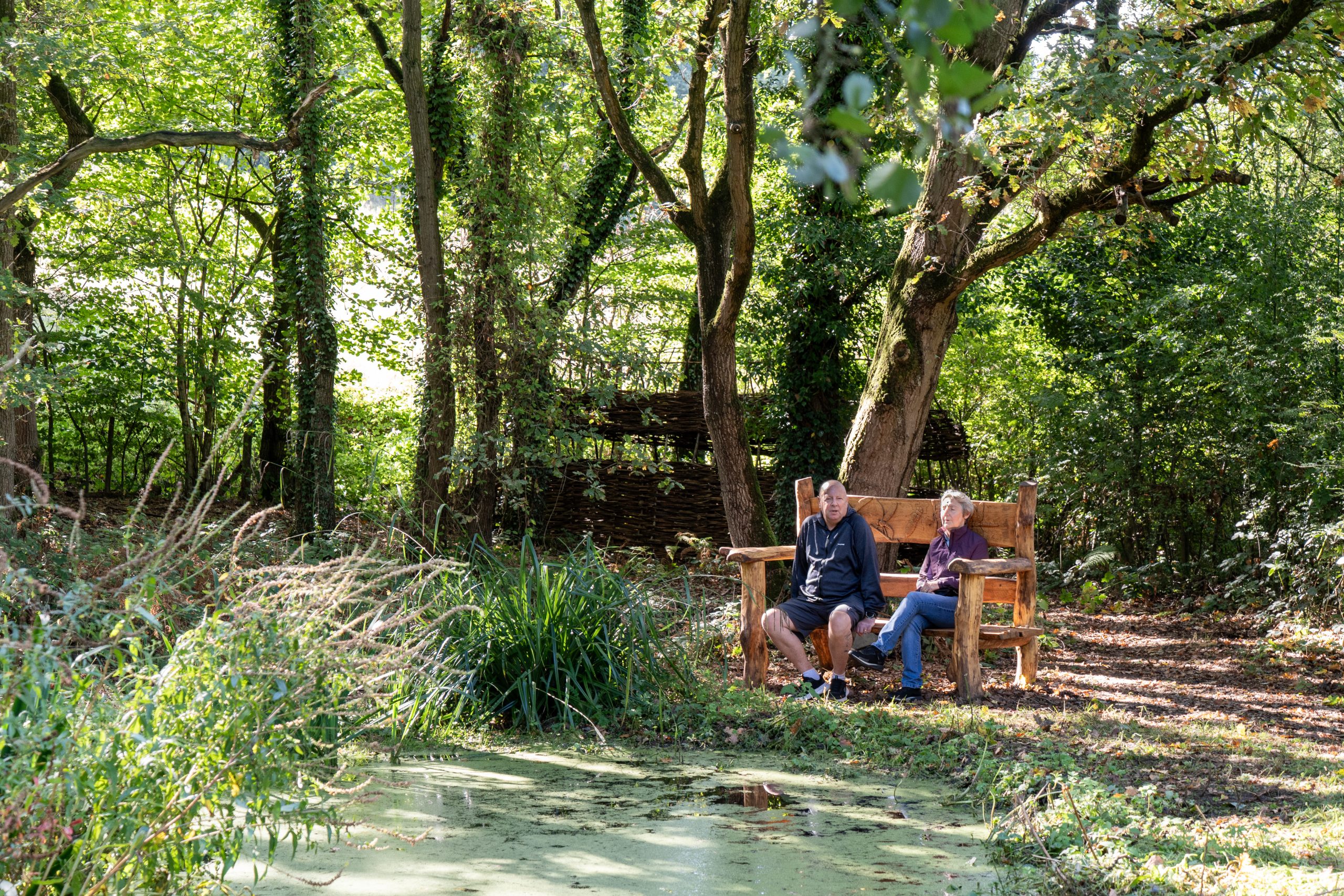
Ashton’s Field is a transformed former colliery that has been thoughtfully restored into a vibrant green space for both wildlife and the local community. Despite its modest size, the site sits at the heart of an urban landscape and now acts as a vital oasis for nature, offering residents a welcome escape from the surrounding built environment. A rich variety of habitats have developed across the site, including native woodland, lowland heathland, grassland and acid grassland, along with hedgerows and swales that support biodiversity and enhance the site’s ecological value. Together, these features make Ashton’s Field a small but important haven for wildlife and people alike.
Ashton’s Field is a striking example of landscape regeneration, transforming a former colliery into a diverse 9.2‑hectare green space. Today, the site supports a rich mosaic of habitats, including open grassland, young plantation woodland, naturally regenerated woodland fringing the site, and areas of heathland toward the eastern end. A well‑connected network of tarmac footpaths weaves through the landscape, offering welcoming and accessible routes from four separate entrance points, some leading to Blackleach Country Park. Owned by the Land Trust and managed by the Lancashire Wildlife Trust, Ashton’s Field now provides both ecological value and an inviting space for local communities to enjoy.
The story of Ashton’s Field is rooted firmly in Salford’s industrial past. Established in the latter half of the nineteenth century, Ashton’s Field Colliery expanded rapidly, reaching its present-day boundaries by 1930. For decades, the mine played a significant role in the local coal industry, details of which are vividly documented by the Northern Mine Research Society. Following nationalisation in 1947, coal production gradually declined, and by the 1960s operations had ceased entirely. The shafts were capped, the colliery buildings demolished, and the once-busy stocking ground and railway sidings fell silent—paving the way for the site’s remarkable transition from industrial powerhouse to the thriving green refuge you see today.