
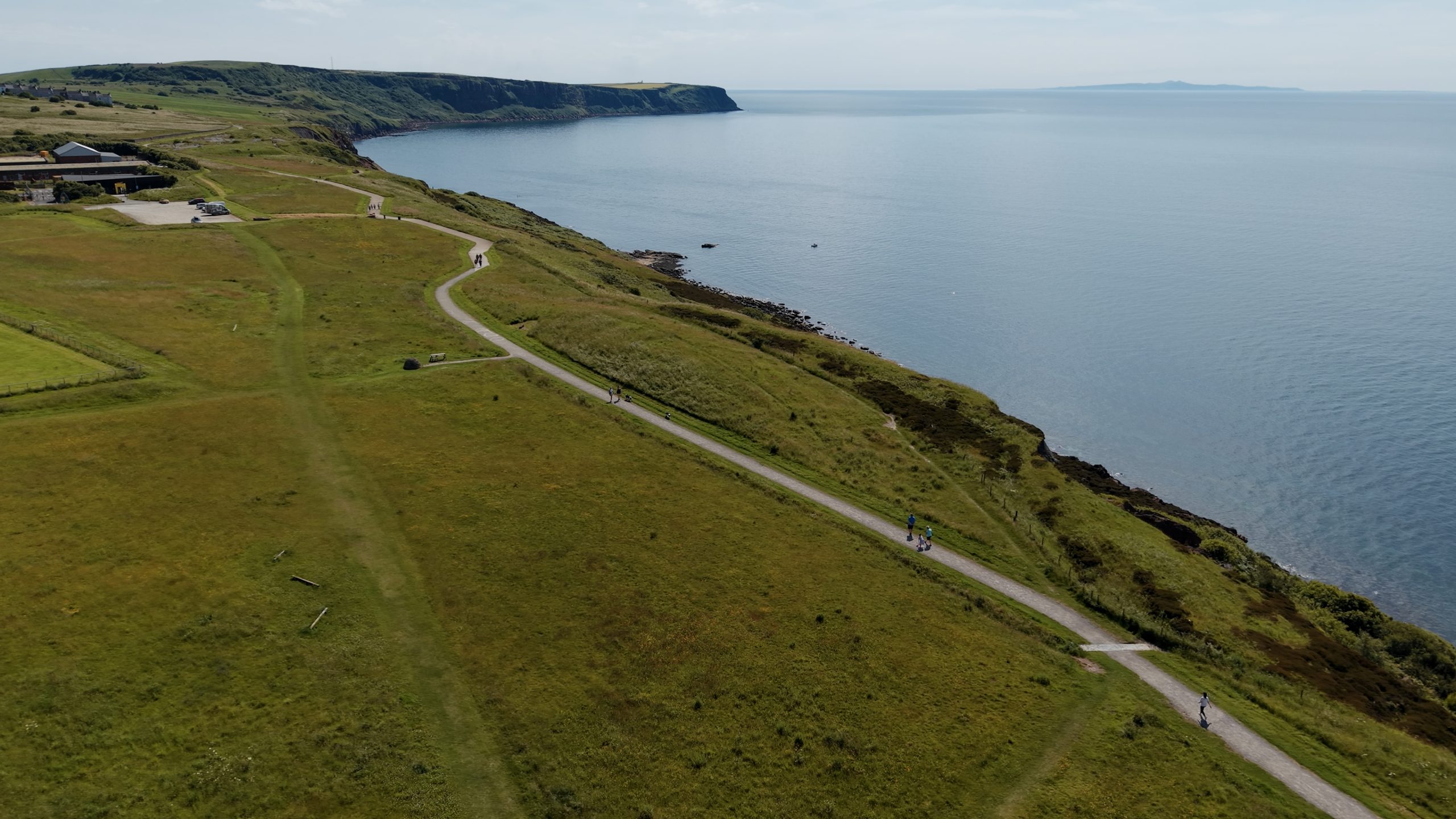
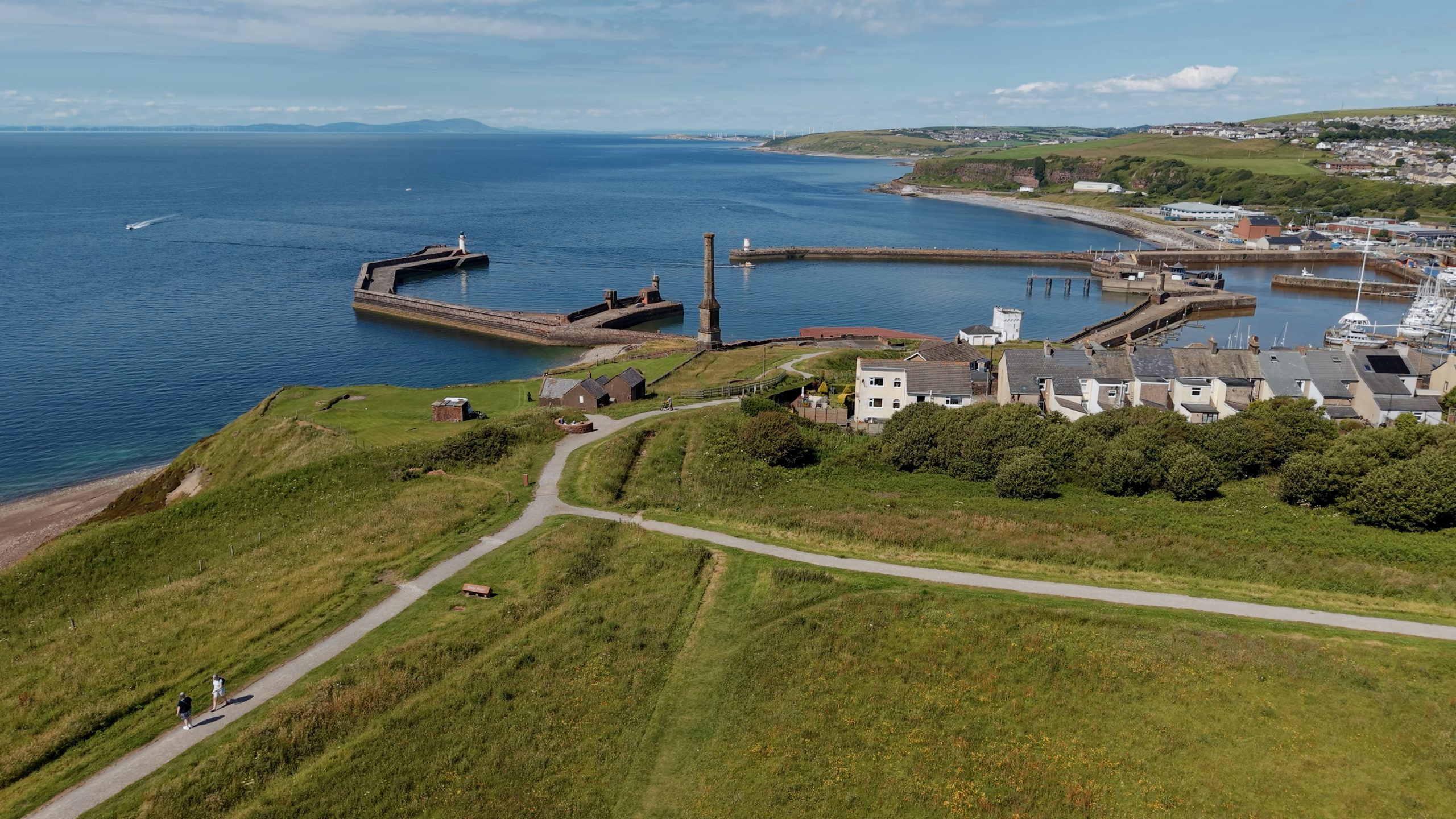

Haig, once home to Cumbria’s largest coal pit, is now a key part of Whitehaven’s coastal tourism. The colliery, which closed in 1986, had tunnels stretching 4.5 miles under the Solway Firth and into the Irish Sea. Following its closure, the area remained underutilised until restoration began in 2002, with the site transferred to the Land Trust in 2008.
Today, Haig offers visitors stunning views of the Irish Sea and a chance to explore the cliffs, which are home to thousands of seabirds such as puffins and razorbills. With improved access through open access land and new permissive pathways, Haig forms part of a seamless journey from the harbour to the wild coastline.
Keep an eye on the Wagon Way walls for common lizards, and watch for slow-worms in the rough grassland beside Solway Road. Common blue butterflies are often seen around Haig and along the cliff edges, particularly where trefoils are growing. Creeping thistles are also a good place to look, as they frequently attract orange soldier beetles, along with peacock butterflies and aphids.The site is rich in birdlife, making seabirds the most dependable wildlife to spot on a walk. From barnacle geese and swans overwintering in the harbour to jackdaws nesting in old pit walls, the area supports thousands of birds, including England’s only breeding colony of black guillemots. Wading birds such as redshanks and oystercatchers can be seen resting offshore, while the clifftops and meadows attract gulls, starl,ings, kestrels and barn owls, with swallows skimming low over the grass in summer.

Open access
Free parking available at Haig Pit car park at the following address: Haig Pit Car Park, Solway Road, Whitehaven, Cumbria, CA28 9BG. The car park is always open and is not owned by the National Trust or the Land Trust. What3Words://froze.divisions.fue There are 3 blue badge parking bays, the carpark is surfaced with compacted gravel. There are no electric vehicle charging points.
5 minute walk from Haig Museum Pit bus stop & 25 minute walk from Whitehaven train station
There is step-free level access into the area, footpaths are either concrete, tarmac, grass or bonded gravel. The majority of the paths are wide enough for wheelchair users. There is step-free level access around some of the area, with slight ramps/slopes without handrails in the main areas. There are slight slopes throughout the main path. Benches are situated along the paths for people to rest.
There are no toilets available on site but the nearby Haig Pit Cafe has toilet facilities
There is no café on site, Haig Pit Café is nearby however and open a few days per week.
Picnics are welcome on site, please take all rubbish home with you
There is no children's play area on site
Established and grassy footpaths run throughout the site. The England Coast Path, a national trail, runs the length of the site.
Responsible cycling is permitted on site, please be considerate of pedestrians, there are 5 bike locking rails at the Candlestick. what3words:///Dozen.spring.matter
Well-controlled dogs welcome, please ensure your dog has good recall before allowing off-lead. Dogs must be on lead near water bodies, cliffs, and conservation areas to protect wildlife, livestock, and prevent embankment erosion. There are bins available on site for dog waste.
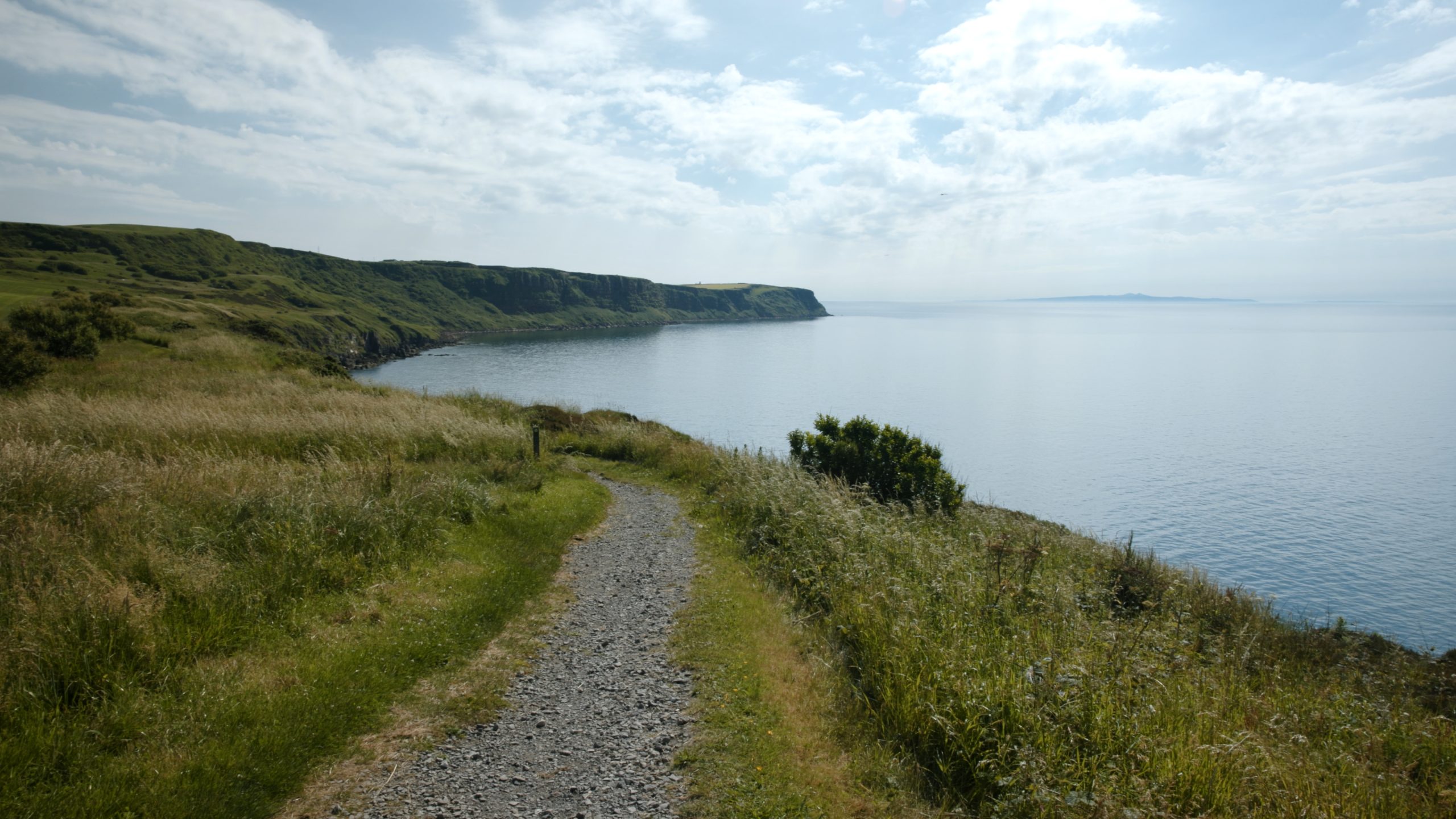
Just a few miles from the Lake District National Park, Haig offers a dramatic and wildlife-rich landscape stretching from Whitehaven’s historic harbour to the towering sandstone cliffs of St Bees Head. Winter reveals its wild character, with powerful Atlantic storms, crystal-clear views to the Isle of Man and Scotland, and vivid sunsets over the Irish Sea. The coast is also alive with nature, from colourful spring wildflowers on old mining sites to thousands of nesting seabirds, including rare black guillemots, along with kestrels, barn owls and migratory swallows, making it a rewarding place to explore throughout the year.
Haig Pit Museum,
Whitehaven,
Cumbria,
CA28 9AL