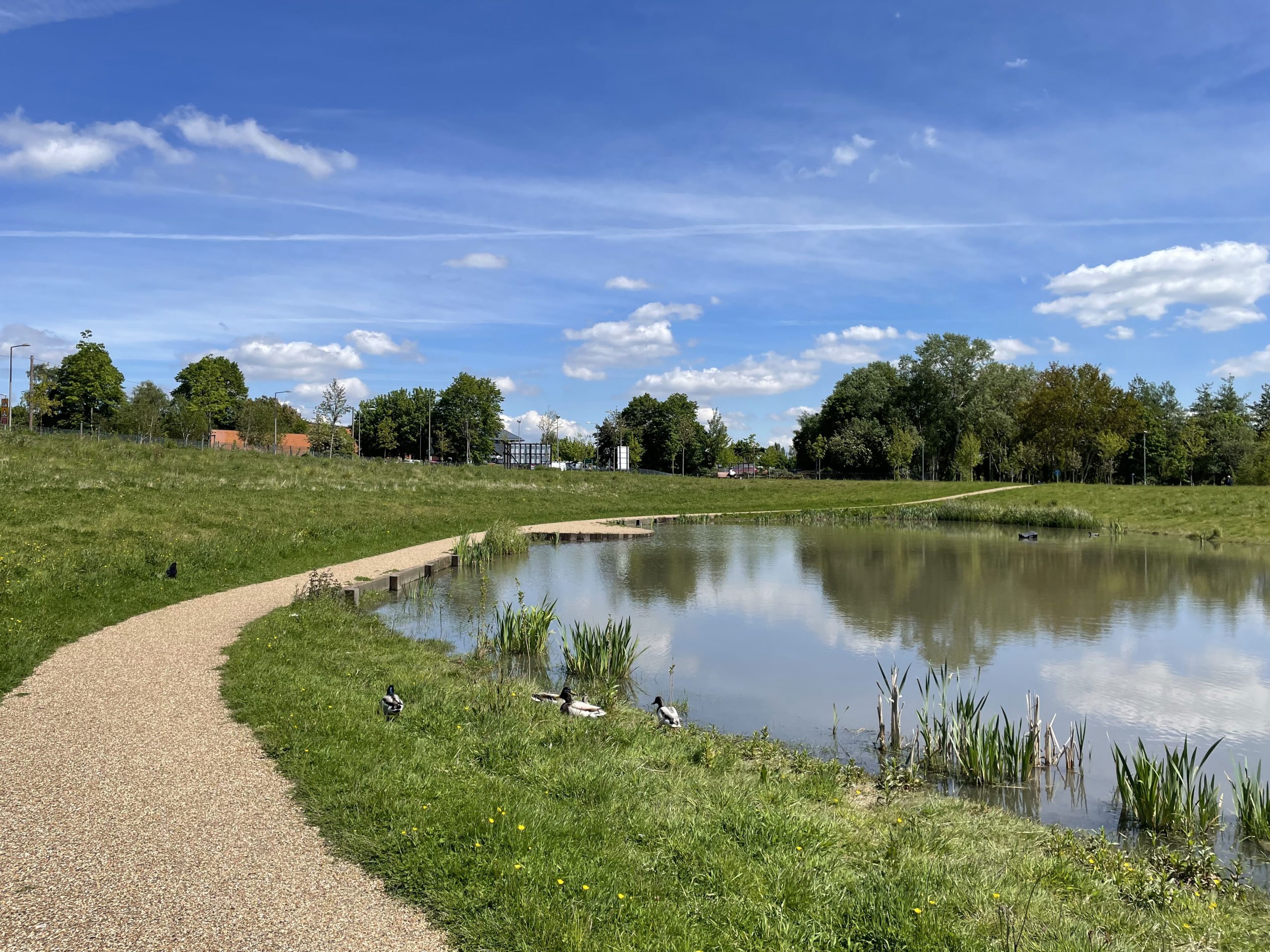
Bilston Urban Village is a flagship regeneration project for Wolverhampton and the wider Black Country, combining sustainable housing with high-quality green spaces. The site was once home to Joseph Sankey & Sons Limited, a major manufacturer from the 1800s producing metal goods, aeroplane parts, and steel helmets during World War One. Following the decline of UK manufacturing, the Albert Street Works closed in 1988.
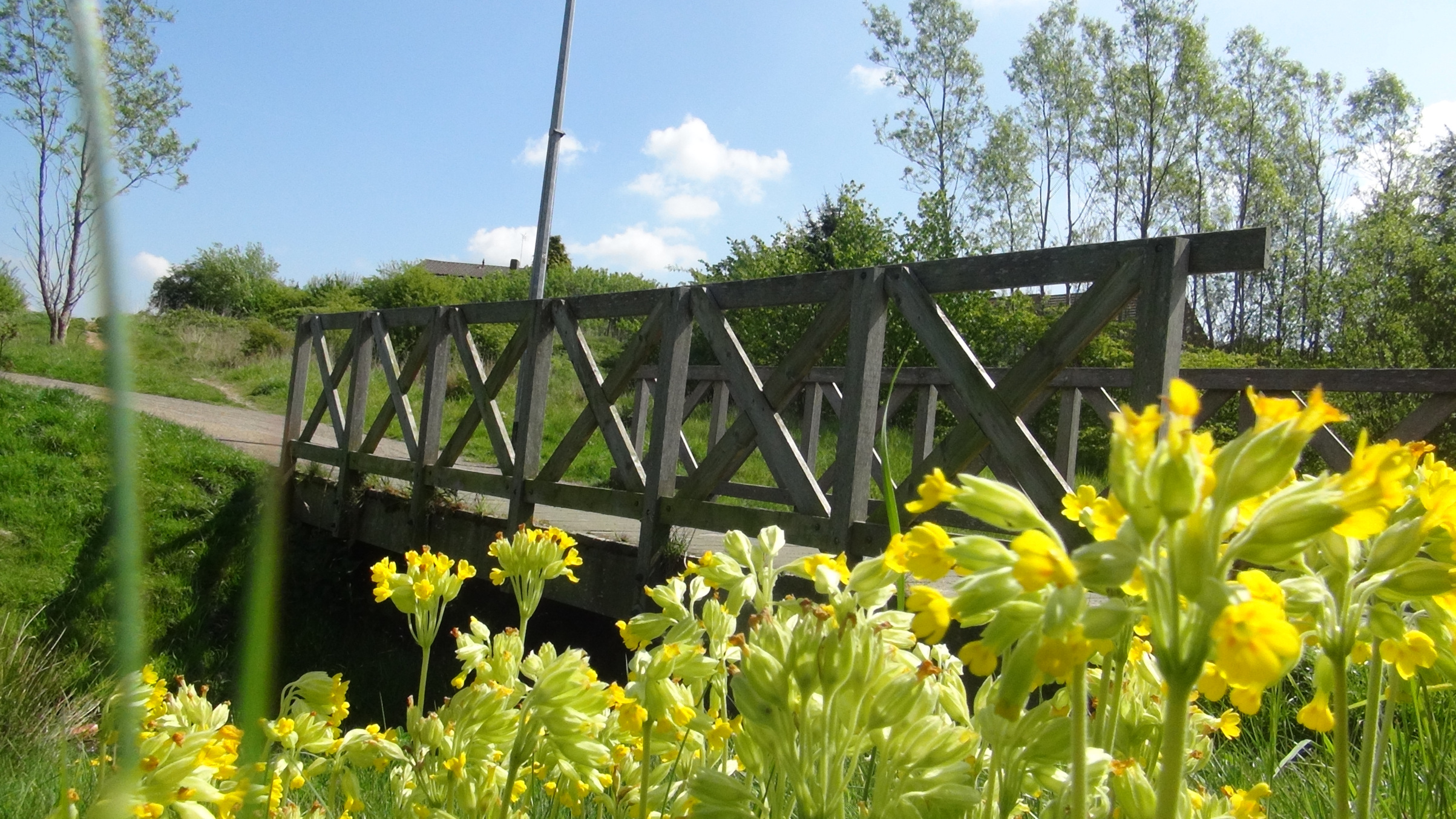
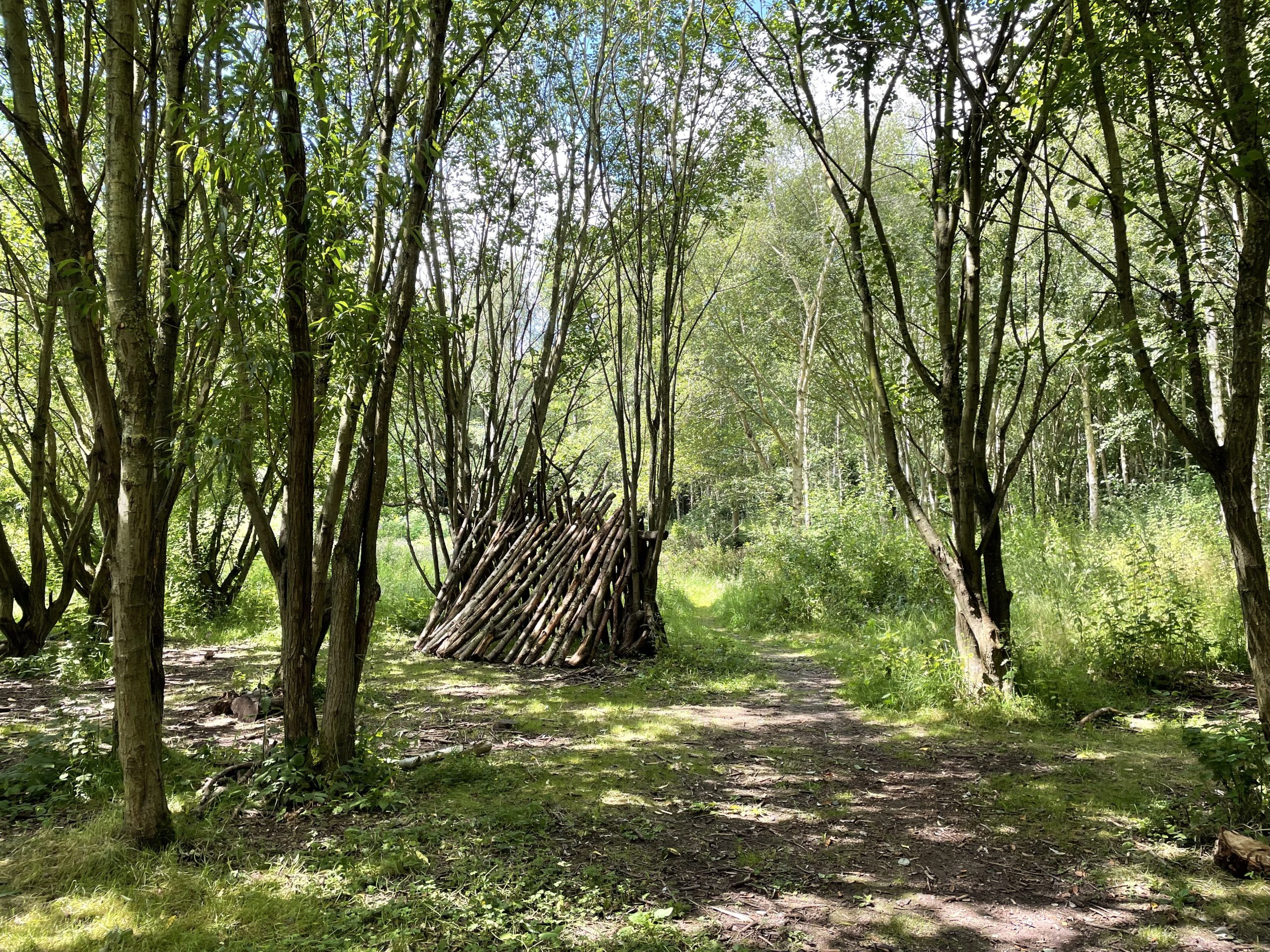
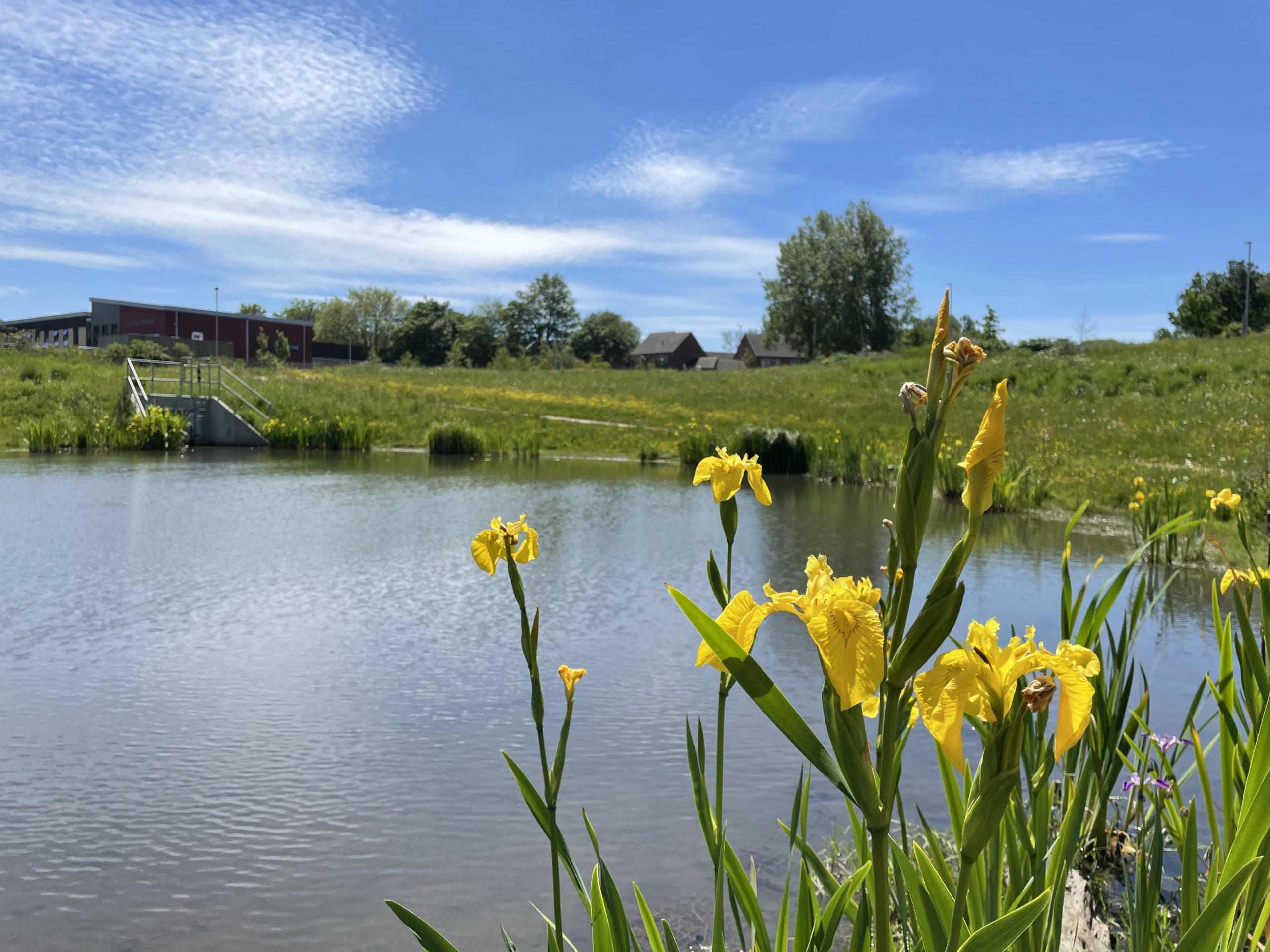
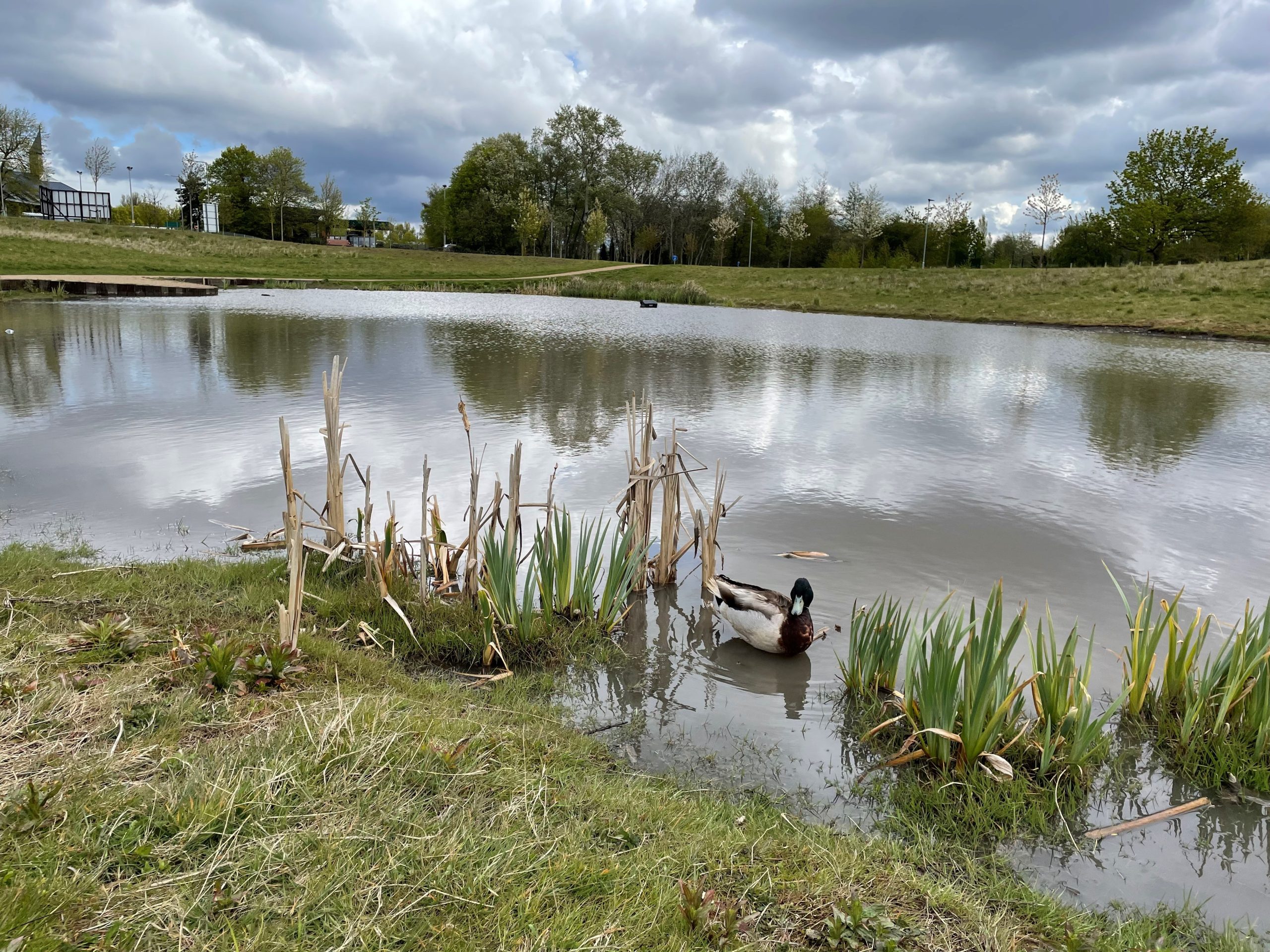
The site has since been rehabilitated, with the Land Trust taking on management of the 10.5-hectare nature reserve in 2019. The reserve features grassland, woodland, meadows, and a SUDS (sustainable urban drainage) pond, providing a valuable haven for wildlife in an urban setting. Seasonal changes bring a rich variety of flora and fauna, making the space a vital green asset for both nature and the local community.
8.01
Open acccess
There are no designated parking spaces
2 minute walk from Bankfield Road and Carder Crescent bus stops & 11 minute walk from Bilston Central tram stop
Wheelchair access is available throughout most of the reserve, with the only restrictions being two short sets of steps within Barbers Field and the outdoor classroom area, which is currently accessed via an unsurfaced path. Alternative routes are available around Barbers Field, ensuring most areas remain easy to navigate. To support comfortable exploration, benches are thoughtfully positioned at regular intervals along the walking routes
There are no toilets available on site
There is no cafe on site
Picnics are welcome on site, please take all rubbish home with you
There is no children's play area on site
The site has a network of hard surfaced pathways to provide wheelchair access around the entire site
Responsible cycling is permitted on site, please be considerate of pedestrians, there are no facilities to store/lock bikes
Well-controlled dogs welcome, please ensure your dog has good recall before allowing off-lead. Dogs must be on lead near water bodies to protect wildlife.
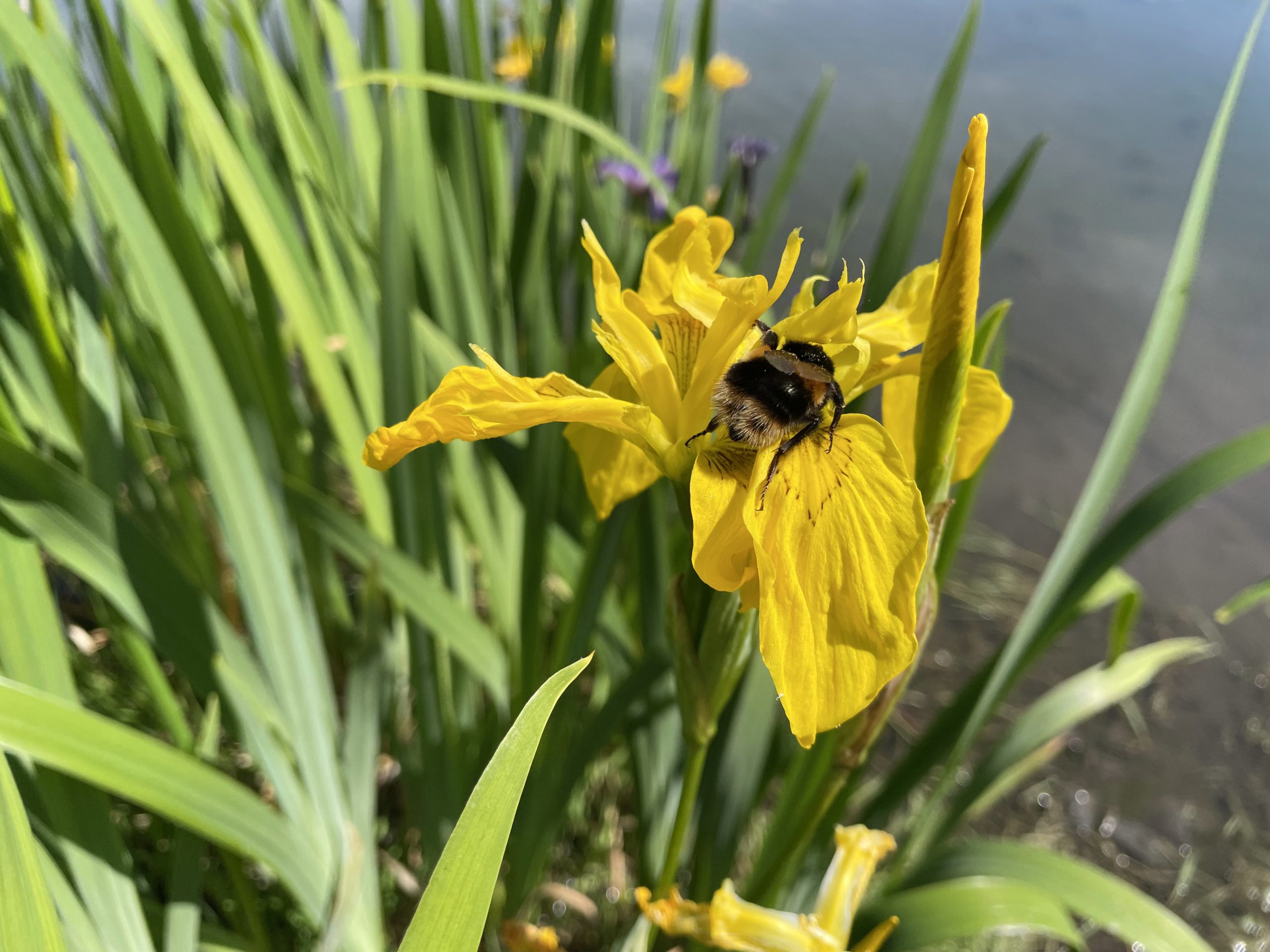
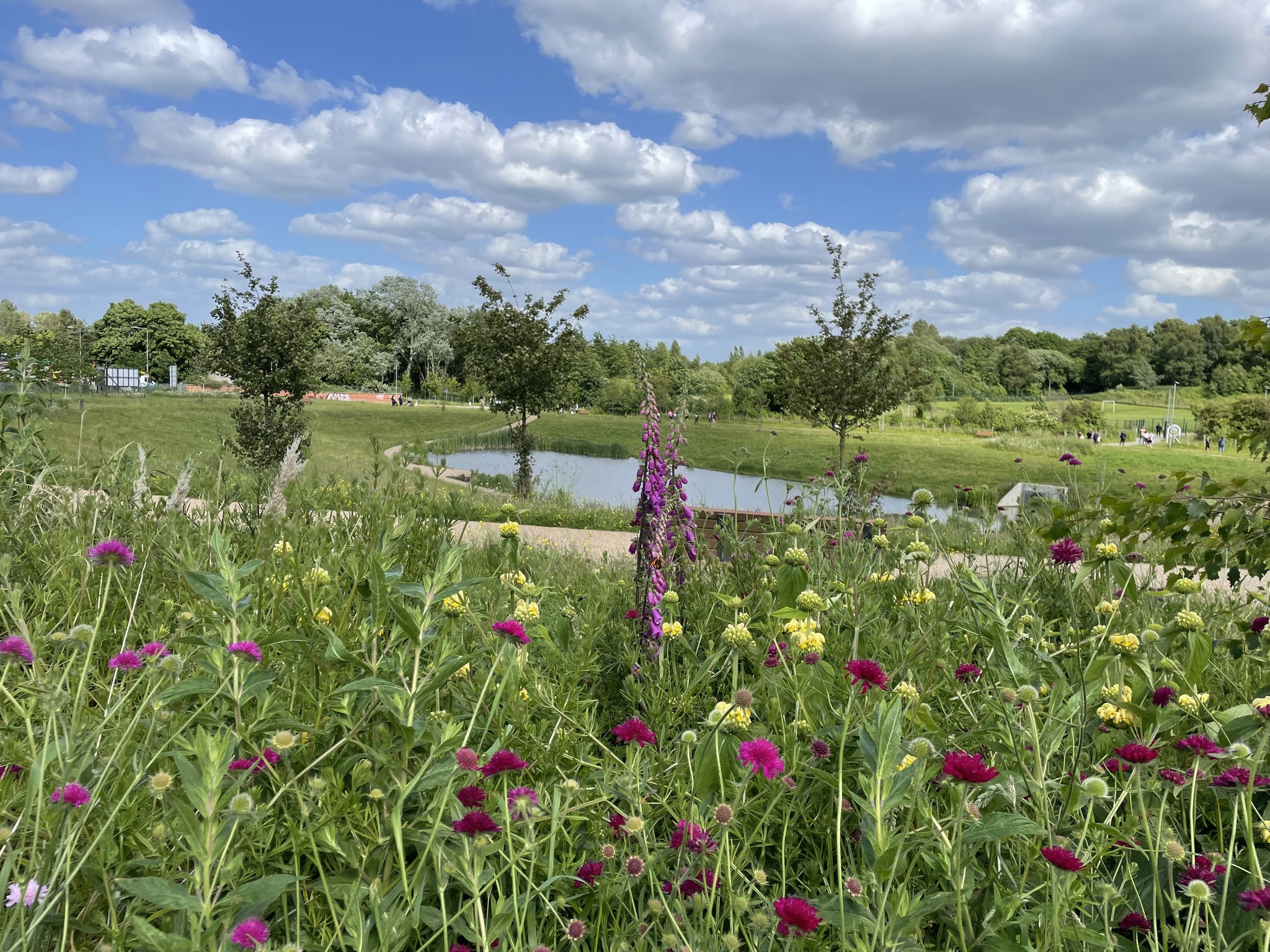
Visitors can explore a variety of habitats across the reserve, including wildflower meadows, grassland, scrub, woodland and a sustainable urban drainage (SuDS) pond. These habitats support a diverse range of wildlife, with common pipistrelle bats often seen feeding over the site, smooth newts using wetland areas and ponds, and dingy skipper butterflies associated with the flower-rich grassland of Nettlefords Meadow. Birdwatchers may also spot species such as ringed plover, redwing and fieldfare, which have all been recorded on or around the reserve. Throughout the year, changing seasons bring different flowers, colours and wildlife activity, making the site an excellent place to experience nature and discover local biodiversity.
Bankfield Road,
Bilston,
WV14 0EE
Originally rural farmland, the site evolved dramatically with the rise of industry, becoming home to coal mines, quarries, and ironworks during the late 1800s. Through the early to mid‑20th century, industrial activity intensified as ironworks on the western edge expanded into the Spring Vale Smelter and Foundry, while smaller factories and engineering complexes grew along the northern boundary. Much of the remaining land was dedicated to railway yards and quarrying, forming a bustling industrial hub at the heart of the area. By the late 20th century, as iron, steel, and engineering industries declined, operations gradually ceased. Between 1993 and 1999, most industrial structures were demolished, and the land was cleared and sympathetically landscaped, opening the door to a new chapter in the site’s story. Today, the site has been transformed into a welcoming mosaic of semi‑natural habitats. Visitors can enjoy open grassland, scrub, pockets of woodland, and a large pond that supports a wide variety of wildlife. This rich blend of landscapes reflects both the site’s remarkable past and its renewed role as a valuable green space offering nature, tranquillity, and a sense of discovery where industry once dominated.