
27th October 2026
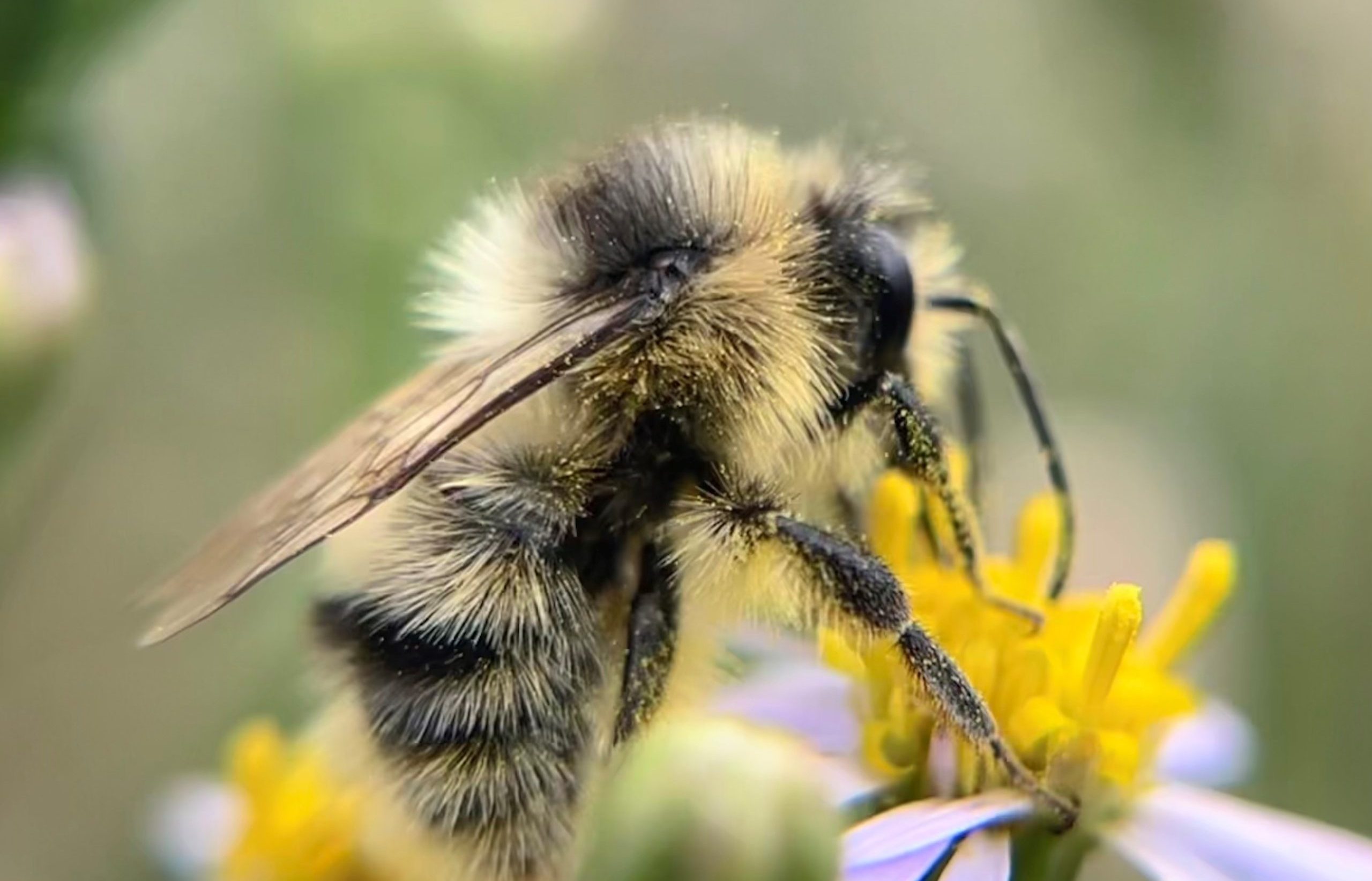
An ambitious three-year habitat restoration project is underway at Canvey Wick Nature Reserve in Essex, aiming to secure a brighter future for one of England’s rarest bumblebees, the Shrill Carder Bee.
Delivered through a partnership between the Land Trust, RSPB and Buglife, the project has received funding through Natural England’s Species Recovery Programme, part of the UK Government’s wider efforts to support nature recovery and protect threatened species.
The restoration programme will create a diverse mosaic of flower-rich grasslands, bare ground and open habitats across the site, providing the conditions needed not only by the Shrill Carder Bee but also by a wide range of nationally important wildlife.
The Shrill Carder Bee is one of the UK’s rarest and most threatened bumblebee species. Recognisable by its distinctive high-pitched buzz and warm straw-coloured appearance, it relies on flower-rich habitats that provide a continuous supply of nectar and pollen throughout the summer months.
Once widespread across southern England and parts of Wales, the species has experienced significant declines, largely due to the loss of wildflower-rich habitats. Today, the Thames Estuary remains one of its last strongholds in England. By restoring and enhancing habitat at Canvey Wick, partners hope to improve conditions for the bee while creating benefits for many other species that depend on open, flower-rich landscapes.
A Partnership for Nature Recovery
The project demonstrates the value of collaboration in delivering meaningful conservation outcomes.
Marc Outten, Site Manager at Canvey Wick, added:
“Being involved in the Species Recovery Programme at Canvey Wick is incredibly rewarding, giving us a real opportunity to secure the future of one of the UK’s rarest bumblebees, the Shrill Carder Bee. This project will be innovative and bold in its approach, furthering our knowledge of how to manage this special brownfield SSSI for the species for which it is incredibly important.”
Jamie Robins, Programmes Manager at Buglife, said:
“The Shrill Carder Bee is one of our most threatened bumblebees, so we’re delighted to see this much-needed restoration work take place at Canvey Wick, which has long been considered a vital refuge for the species in the Thames Estuary.”
Why Canvey Wick Matters
Canvey Wick is one of the UK’s most important sites for rare invertebrates and was the first brownfield site in the country to be designated as a Site of Special Scientific Interest (SSSI) specifically for its insect populations.
The site supports more than 30 Red-listed species and is recognised nationally for its exceptional biodiversity. Its unique landscape was unintentionally created following the abandonment of a proposed oil refinery development in the 1970s. Over time, sandy material dredged from the Thames developed into a rich mosaic of grassland, bare ground, wetlands and scrub, creating ideal conditions for a remarkable array of wildlife.
However, without active management, scrub and dense vegetation can gradually dominate the landscape, reducing the extent of the open habitats needed by specialist species such as the Shrill Carder Bee.
What the Restoration Project Will Deliver
The restoration work will take place over three years, beginning in October 2026.
Year One
Initial works will focus on carefully removing selected scrub to open up habitats and reduce shading, while leaving root systems intact.
Year Two
Roots and stumps will be removed, and soil inversion works carried out to create the nutrient-poor conditions and bare ground needed for wildflowers and specialist brownfield species to thrive.
Year Three
Landforming works will introduce banks, slopes and hollows across the landscape, creating a wider variety of habitats, microclimates and management opportunities for the future.
Importantly, the project is not about removing all scrub from the site. Areas of scrub provide valuable habitat for breeding birds and other wildlife. Instead, the programme will create a balanced mosaic of habitats, retaining valuable scrub while restoring flower-rich grasslands and open ground where appropriate.
Looking Ahead
By restoring the varied habitats that make Canvey Wick so special, the project will help secure the future of the Shrill Carder Bee while supporting nightingales, reptiles, rare invertebrates and many other species.
Through partnership working, long-term stewardship and targeted habitat management, this project represents an important step forward in helping wildlife recover and ensuring that Canvey Wick continues to be one of the UK’s most valuable biodiversity sites for generations to come.