
17th September 2026
At The Land Trust, we believe that green spaces should be protected, enhanced and managed for the benefit of both people and nature. That is why we are proud to have played a part in the return of one of Britain’s most cherished and endangered mammals, the water vole, to the River Wey through our site at Weyburn Meadows.
This significant conservation milestone marks another step forward in the restoration of Surrey’s river habitats and demonstrates the power of collaborative environmental stewardship.
This September, 300 nationally endangered water voles were reintroduced to a key section of the River Wey between Frensham and Elstead as part of a catchment-wide reintroduction programme led by the National Trust and River Wey Trust, with funding from the Environment Agency.
The release involved ten carefully selected riverside locations, including The Land Trust’s Weyburn Meadows, alongside sites managed by Surrey Wildlife Trust, the Hampton Estate, the Countryside Regeneration Trust and other landowners across West Surrey.
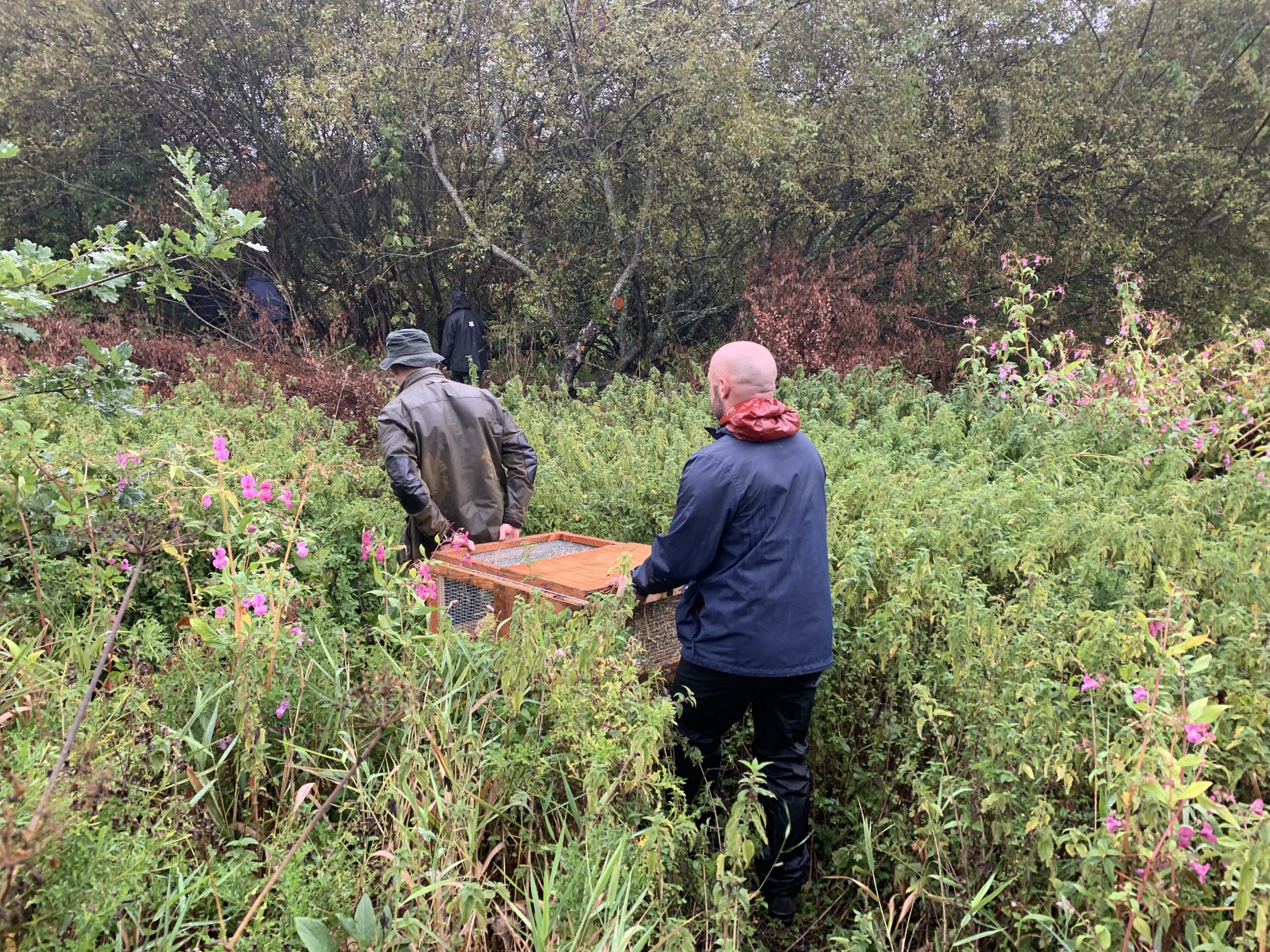
Raised by conservation specialists Derek Gow Consultancy, the water voles were initially housed in specially designed soft-release pens, allowing them to settle into their new surroundings with access to food, water and shelter before gradually venturing into the wild.
Once a familiar sight along Britain’s rivers and streams, water voles have suffered dramatic declines and had become locally extinct in Surrey by the early 2000s. Their return is about much more than the recovery of a single species. Often referred to as ecosystem engineers, water voles play a valuable role in creating and maintaining healthy wetland habitats. Their grazing helps create a diverse mosaic of vegetation, allowing native wildflowers such as meadowsweet and purple loosestrife to flourish. These plants, in turn, support pollinators and a wide range of other wildlife, from birds and bats to amphibians and invertebrates.
The intricate burrow systems they create along riverbanks also help improve soil structure, provide refuge for other species and contribute to natural flood management. The success of this project highlights the importance of long-term partnership working, a principle that lies at the heart of The Land Trust’s approach to land management.
Over several years, organisations across the River Wey catchment have worked together to restore habitats, improve river health and create the conditions needed for wildlife to return. Through our ongoing management of Weyburn Meadows, alongside our managing partner Blackwater Valley Countryside, The Land Trust has contributed to creating and maintaining the high-quality habitat needed to support this landmark reintroduction.
Marie-Anne Phillips, Estates and Community Officer for The Land Trust, said:
“It’s fantastic for The Land Trust and our managing partner Blackwater Valley Countryside to share in the long-term, hard work undertaken by so many over several years with the aim of witnessing water voles return to the River Wey. Each water vole released is a triumph in positive partnership working towards improving our rivers.”
Encouragingly, earlier stages of the reintroduction programme on the upper River Wey have already shown promising results. Monitoring has identified feeding signs, burrows and latrines, while wildlife cameras and environmental DNA testing have confirmed that water voles are establishing themselves and beginning to expand beyond the original release sites.
The return of water voles to Weyburn Meadows is a reminder that when organisations come together with a shared vision, nature can recover. We look forward to seeing this much-loved species thrive once again along the River Wey.