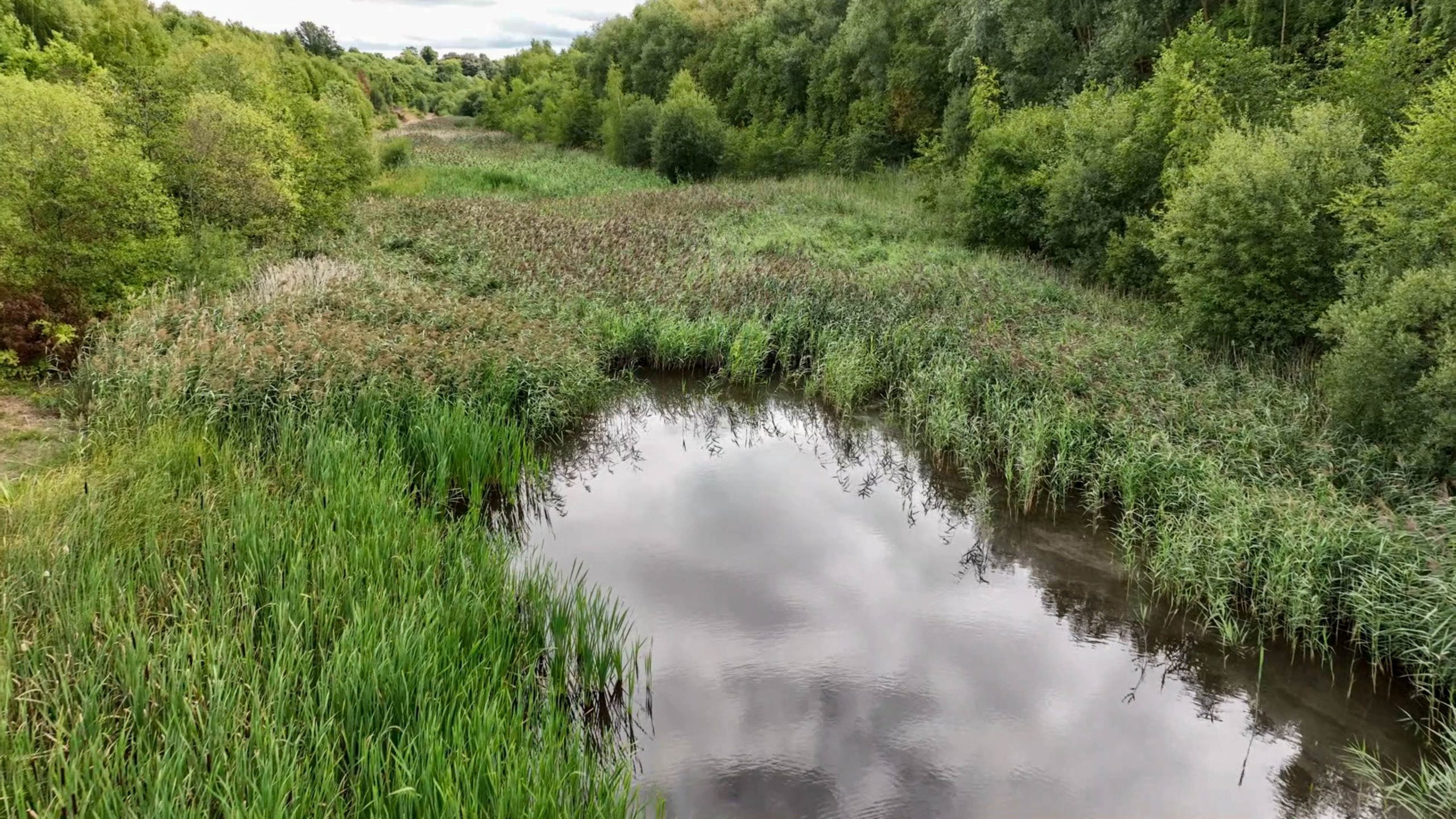
Choosing the Land Trust means partnering with an organisation that delivers high-integrity, high-impact Biodiversity Net Gain (BNG) solutions grounded in genuine environmental stewardship.
Long term habitat protection, beyond 30 years We create biodiversity units on sites that we own and manage in perpetuity, ensuring habitats are protected, enhanced and resilient for generations. All our biodiversity units fully comply with statutory trading rules, giving developers confidence and clarity from the outset.
Reinvesting for long-term good
As an independent NGO, we operate transparently and sustainably. Funding secured through BNG directly supports the longterm care of our sites, community programmes, habitat enhancement and local nature recovery.
Trusted, transparent and traceable BNG delivery
Our BNG projects are created in direct response to demand, making them easier to identify, track and verify. Working within our baselines and the trading rules, we design habitats that not only reflect those lost during development but also strengthen local biodiversity and respond to regional conservation priorities.
Charitable purpose with real community impact
As a not-for-profit organisation, the funding we receive is reinvested back into nature, people and places. Our biodiversity units are delivered on Land Trust owned sites that already provide public access and active community engagement, resulting in visible wellbeing benefits and strong social value.
Specialists in creating and managing thriving green spaces
We are one of the UK’s leading charities dedicated to creating, restoring and managing landscapes that support wildlife and enrich lives. Increasing biodiversity and improving habitats is one of our core charitable objectives and part of everything we do
Share your project needs
Get in touch and let us know your Biodiversity Unit requirements. Our team will work with you to identify how your 10% net gain can be achieved.
Aligning on next steps
Once the proposal is accepted, the Land Trust will provide a template Allocation Agreement (AA) for all parties to review and agree
Putting the plan into action
We’ll finalise the Allocation Agreement (AA) alongside the Reservation Fee (around 10% of the Allocation Fee), as outlined in the AA, to securely reserve your Biodiversity Units.
Bringing the on-the-ground impact to life
Once the Allocation Fee is received, we’ll apply to Defra within two weeks to allocate your offsite Biodiversity Units. From there, we handle everything, including starting habitat works within 12 months.
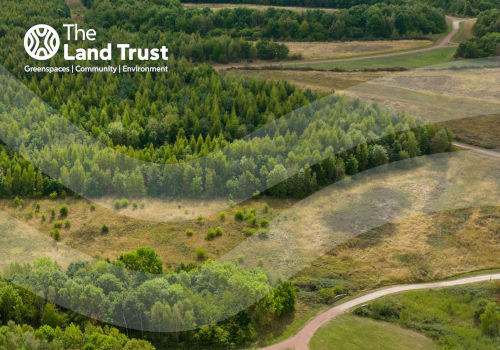
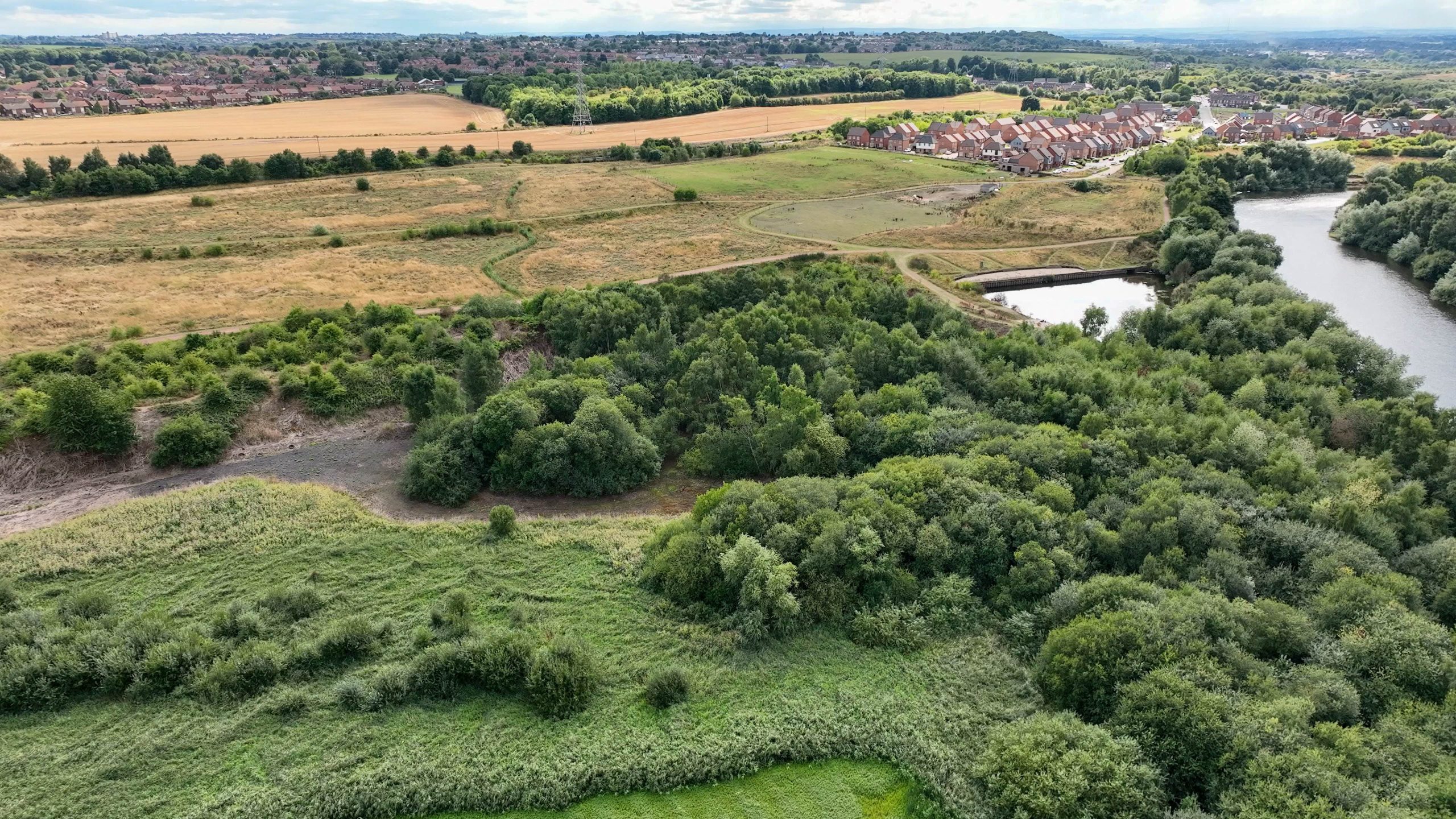
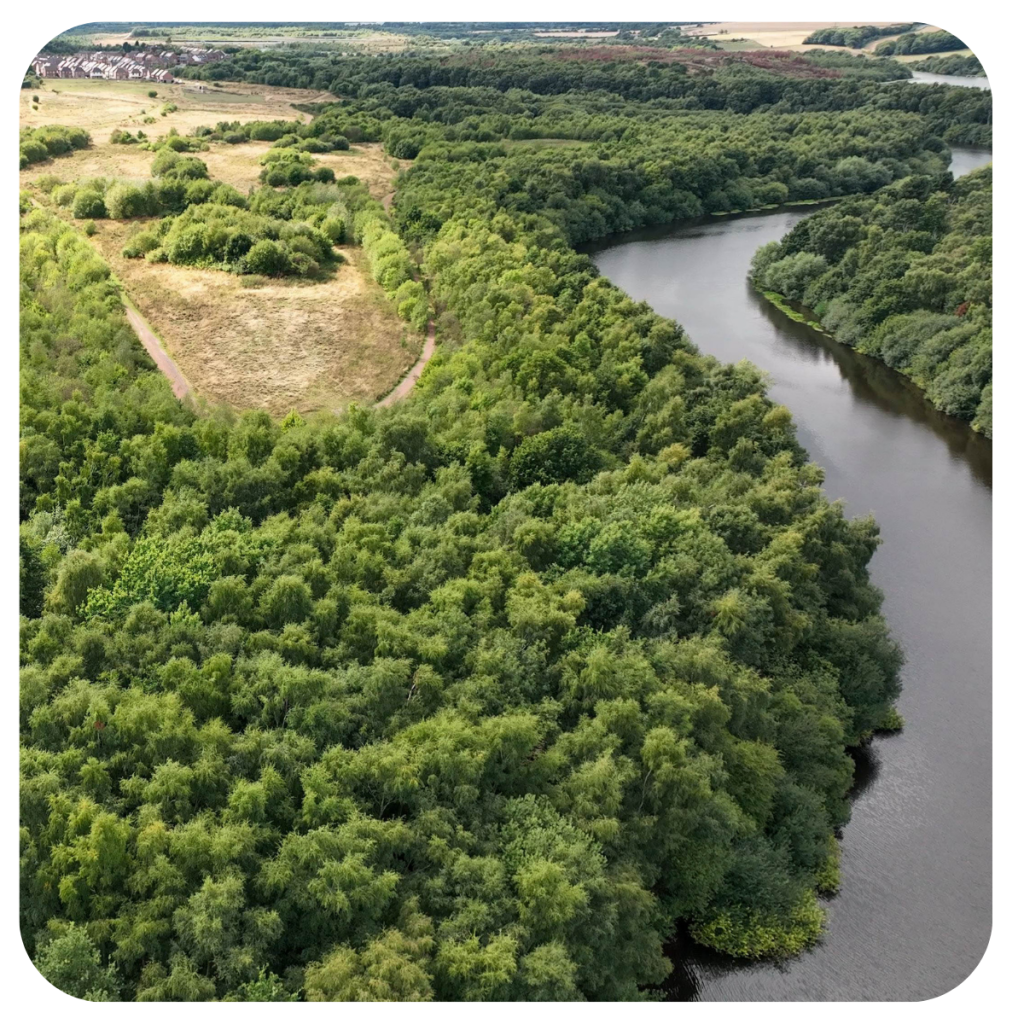
Fryston Country Trails is a powerful example of how reclaimed land can deliver lasting Biodiversity Net Gain while creating meaningful benefits for people and nature. Set across 65 hectares in Castleford, West Yorkshire, the site is transformed from the former Fryston and Wheldale colliery sites into a thriving landscape of woodland, meadows and accessible green space.
Today, it supports diverse wildlife habitats, recreational opportunities and strong community connections, demonstrating the Land Trust’s proven approach to long-term land management. At Fryston Country Trails, the Land Trust is delivering over 18 Biodiversity Units of woodland and meadow habitat through an Allocation Agreement, launched in Autumn 2025, the agreement supports targeted management of species-rich grassland, woodland enhancement and scrub planting, strengthening biodiversity across the site.
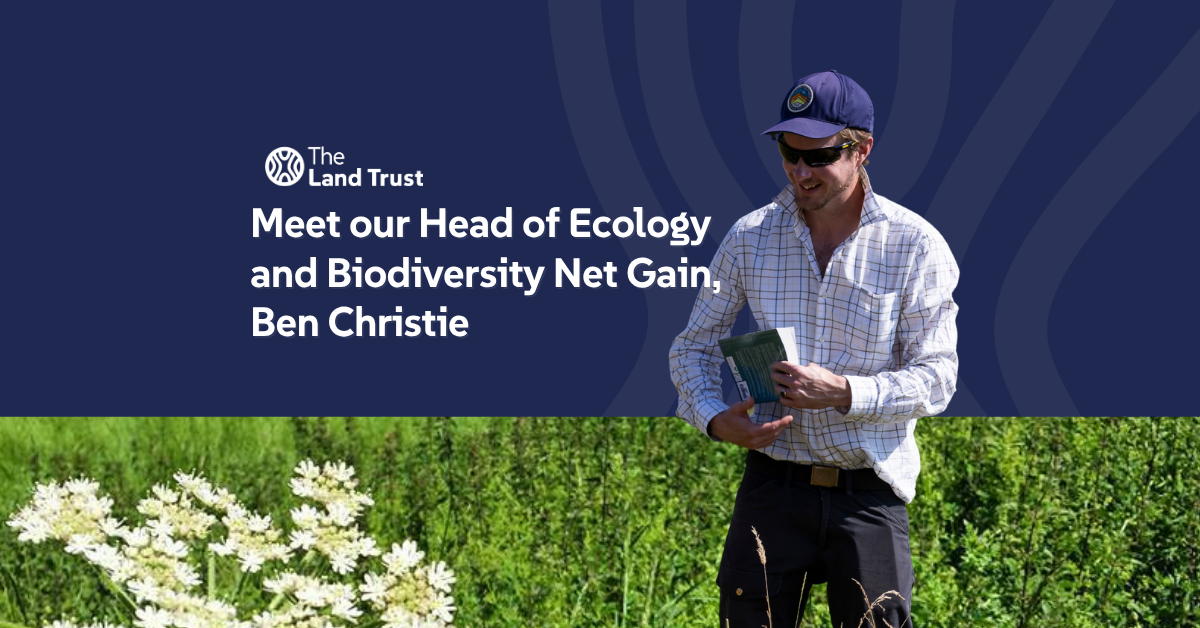
Head of Ecology and Biodiversity Net Gain Ben Christie explains: “This is a strong example of what can be achieved when organisations share a commitment to long-term environmental and community benefit. The ongoing habitat work at Fryston enhances biodiversity while safeguarding a welcoming green space for all ages. It demonstrates how Biodiversity Net Gain, when delivered through long-term stewardship, creates lasting value for both wildlife and local communities.”
BNG is a planning approach that requires development to leave e biodiversity in a measurably better state than before. Government made BNG for development mandatory through the 2021 Environment Act. This came into force on 2nd April 2024 and requires a minimum 10% net gain for at least 30 years.
Biodiversity units are a measurable way of quantifying the value of habitats. They are used to demonstrate biodiversity gains or losses resulting from development and land-use change.
Units are calculated using the approved Statutory Biodiversity Metric, which considers many factors to calculate the Units, including habitat distinctiveness and condition, area, location and strategic significance. There are strict Trading Rules, which must be met for calculations to be valid.
On-site units are created within the development boundary.
Off-site units are elsewhere often through habitat creation or enhancement projects
Statutory units are purchased from government-backed schemes when on site and off-site options are not available
Biodiversity units are typically secured for a minimum of 30 years through legal agreements such as conservation covenants or planning obligations. The Land Trust retains or enhances habitats funded by unit sales in-perpetuity.
Units are most commonly generated from developments creating or enhancing habitats on site, dedicated biodiversity or nature recovery projects, statutory Government credits or other habitat bank providers.
For more information about our BNG, solutions, please contact bngunits@thelandtrust.org.uk