
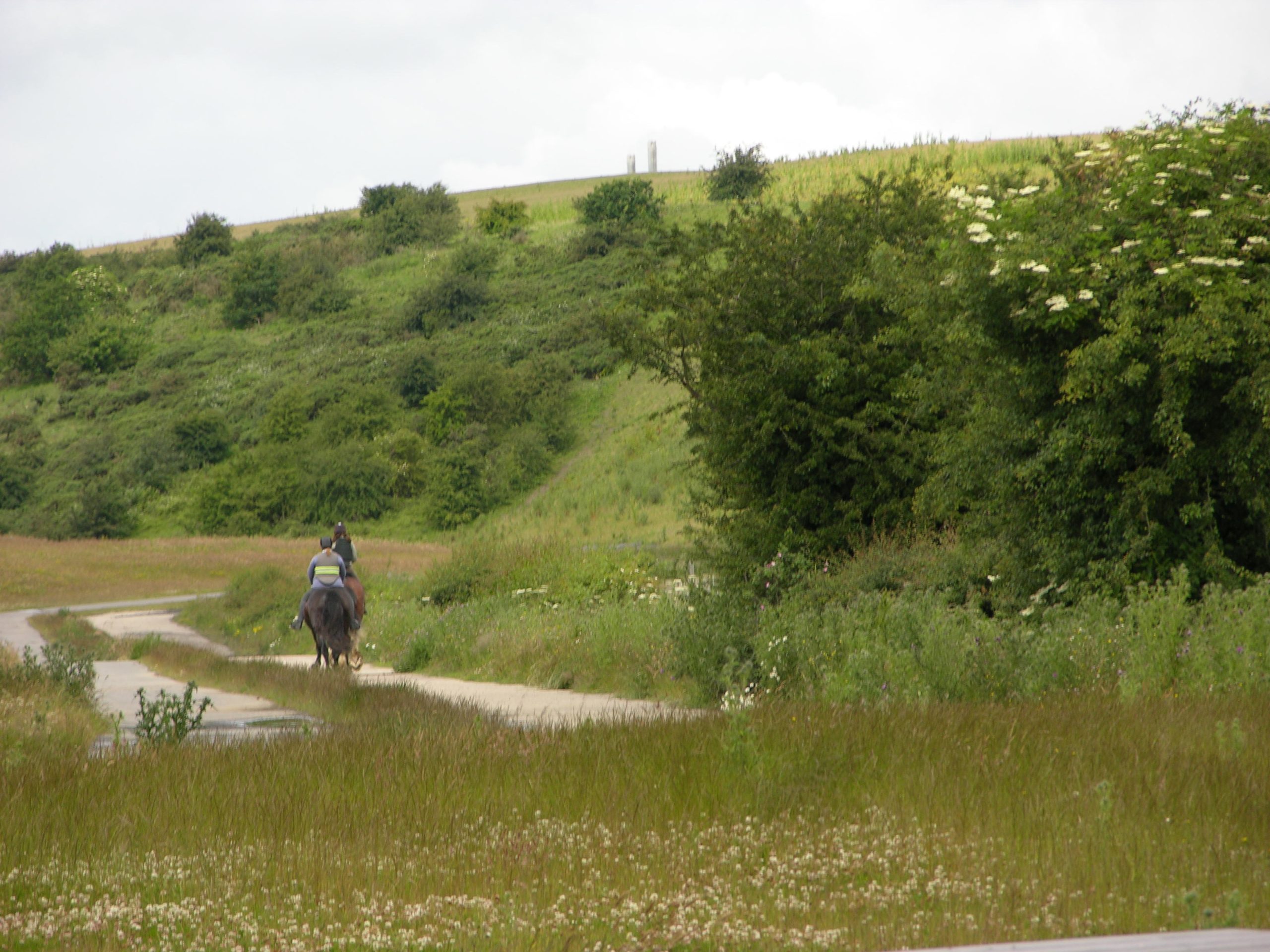
Weetslade blends history with nature, offering panoramic views, diverse wildlife, and a peaceful retreat. The site has been associated with mining since the 1800s and was home to Weetslade Colliery from 1903 to 1967, at its peak employing over 1,000 people. Today, visitors still can explore remnants of the 1826 Brunton and Shields Railroad, which once carried coal to the River Tyne.
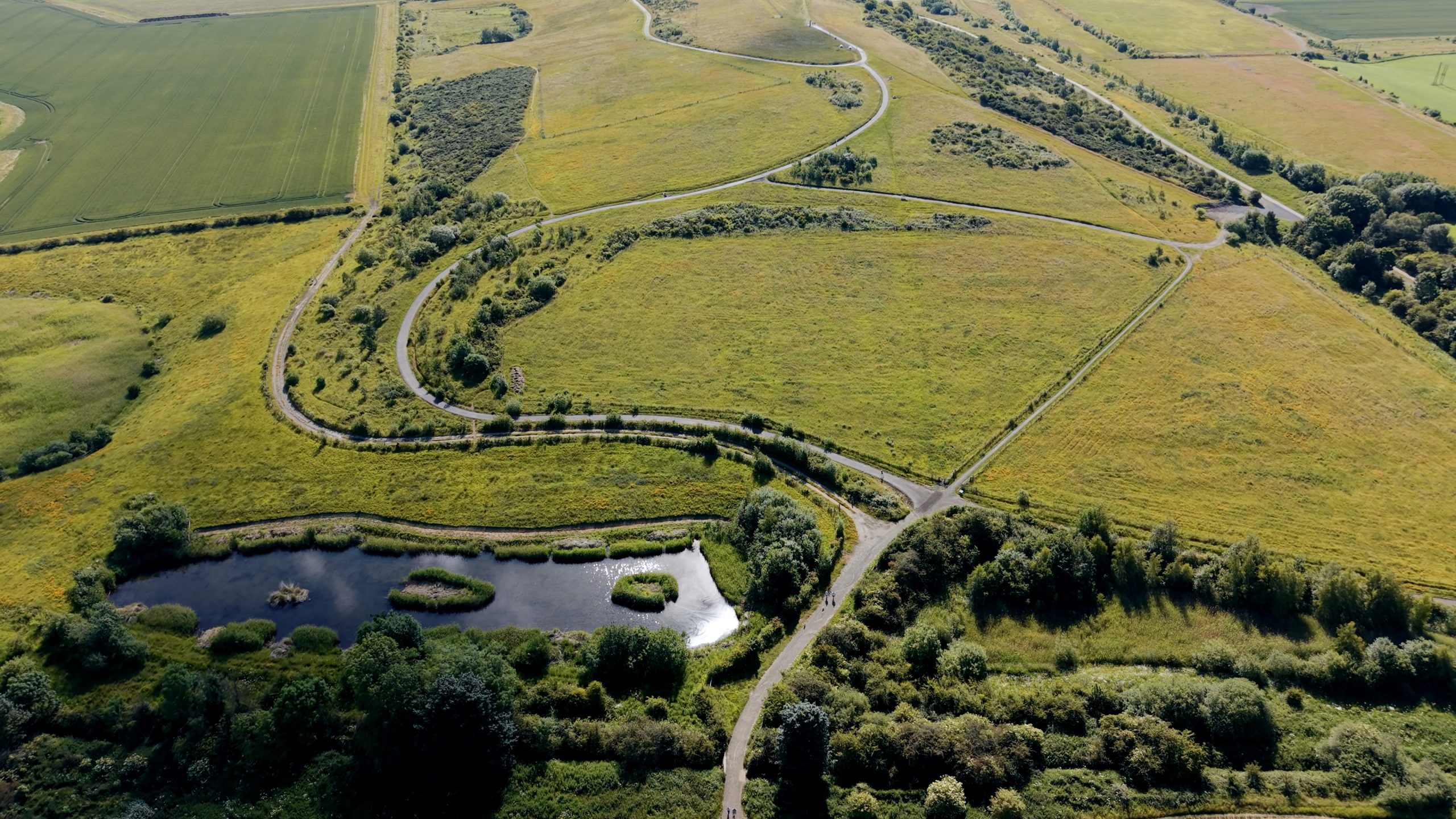
Designated a Site of Conservation Interest in the 1990s, the area underwent restoration through the National Coalfields Programme, creating a country park with wetlands, woodlands, and grasslands and officially opening in 2006. Weetslade is now a Local Wildlife Site, home to species such as otters, skylarks, and swallows, while the ‘Drill Head’ sculpture commemorates its mining heritage.

39.04
Open access
An open access 37 space car park is available at the eastern end of the site off the B1319 Great Lime Rd, north of the junction with the A189. There are five blue badge parking bays available. There are no electric vehicle charging points
The main entrance is from the east, where there is a car park alongside of the B1319, Great Lime Rd (NZ260723). Access is also possible from the west, via two public bridleways which lead from Wide Open, on level and well-surfaced tracks.
There are no toilets available on site
There is no cafe on site
Picnics are welcome on site but please do take all rubbish home with you. No BBQs please
There is no children's play area on site
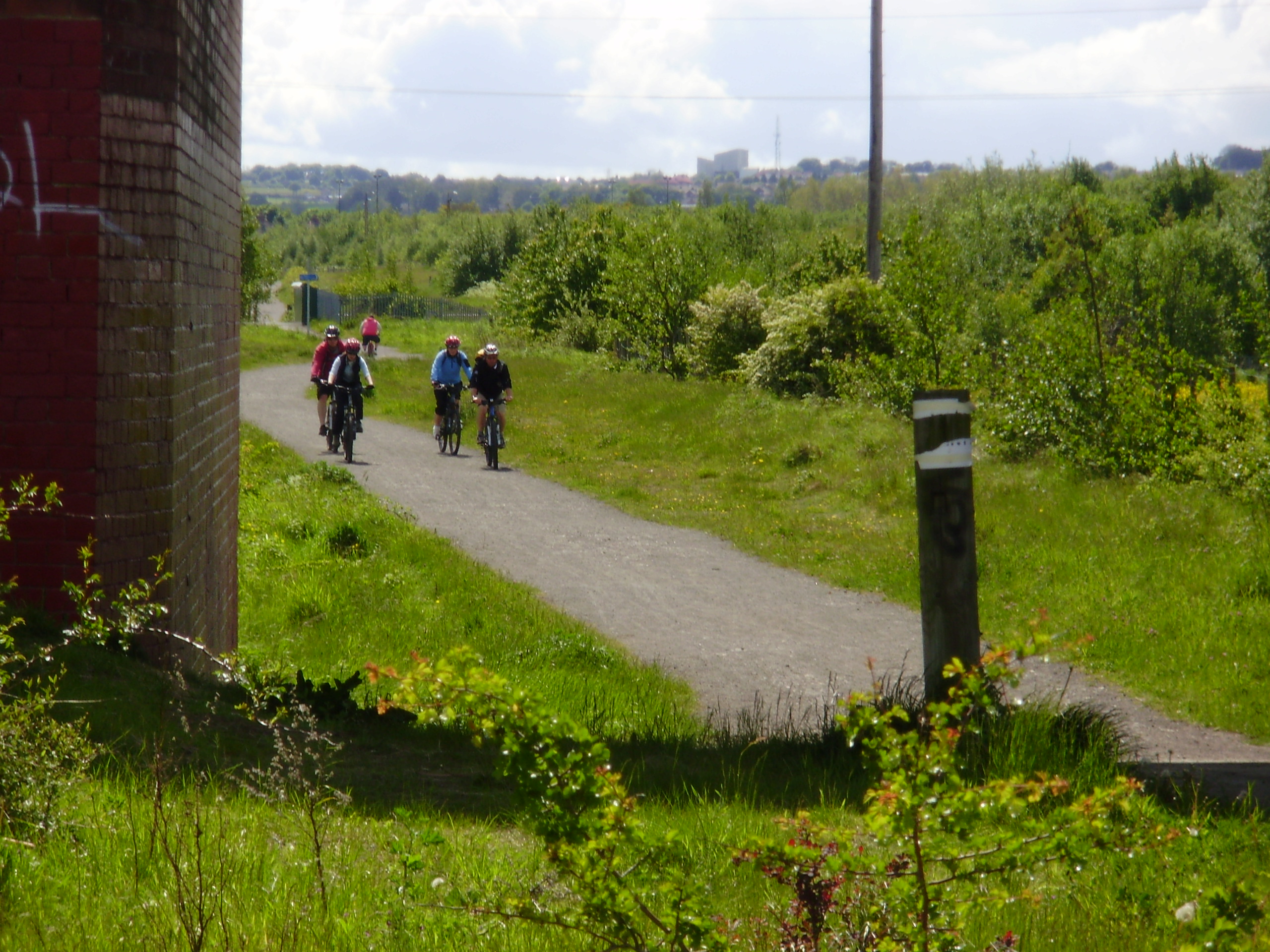
The main tracks through the reserve are level and well-surfaced, accessible for wheelchair users and pushchairs. Some of the tracks on the eastern slope have been partially eroded by heavy rain but are still negotiable The old wagon way which runs through the park is part of the popular Sustrans Reivers Coast to Coast route is good for walking and cycling. There is a moderately steep incline to reach the top of the hill and sculpture that overlooks the park. Off the tracks, the terrain varies from short grass to steep, often wet slopes with abundant vegetation
Bikes are welcome on site. Please be conscious of other users. There are bike racks available at the main entrance
Well-controlled dogs welcome, please ensure your dog has good recall before allowing off-lead. There are a number of bins on site for disposal of dog waste
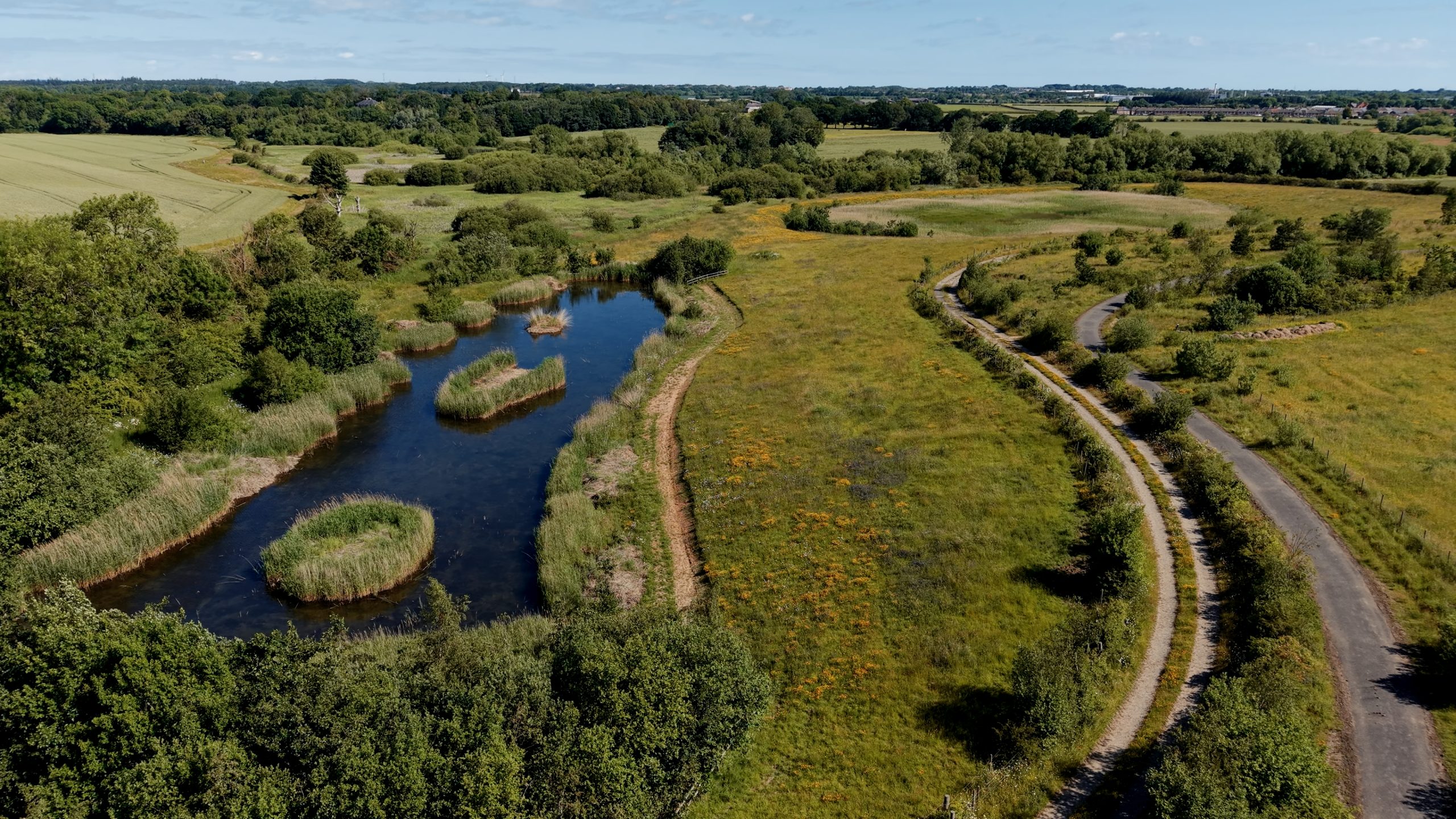
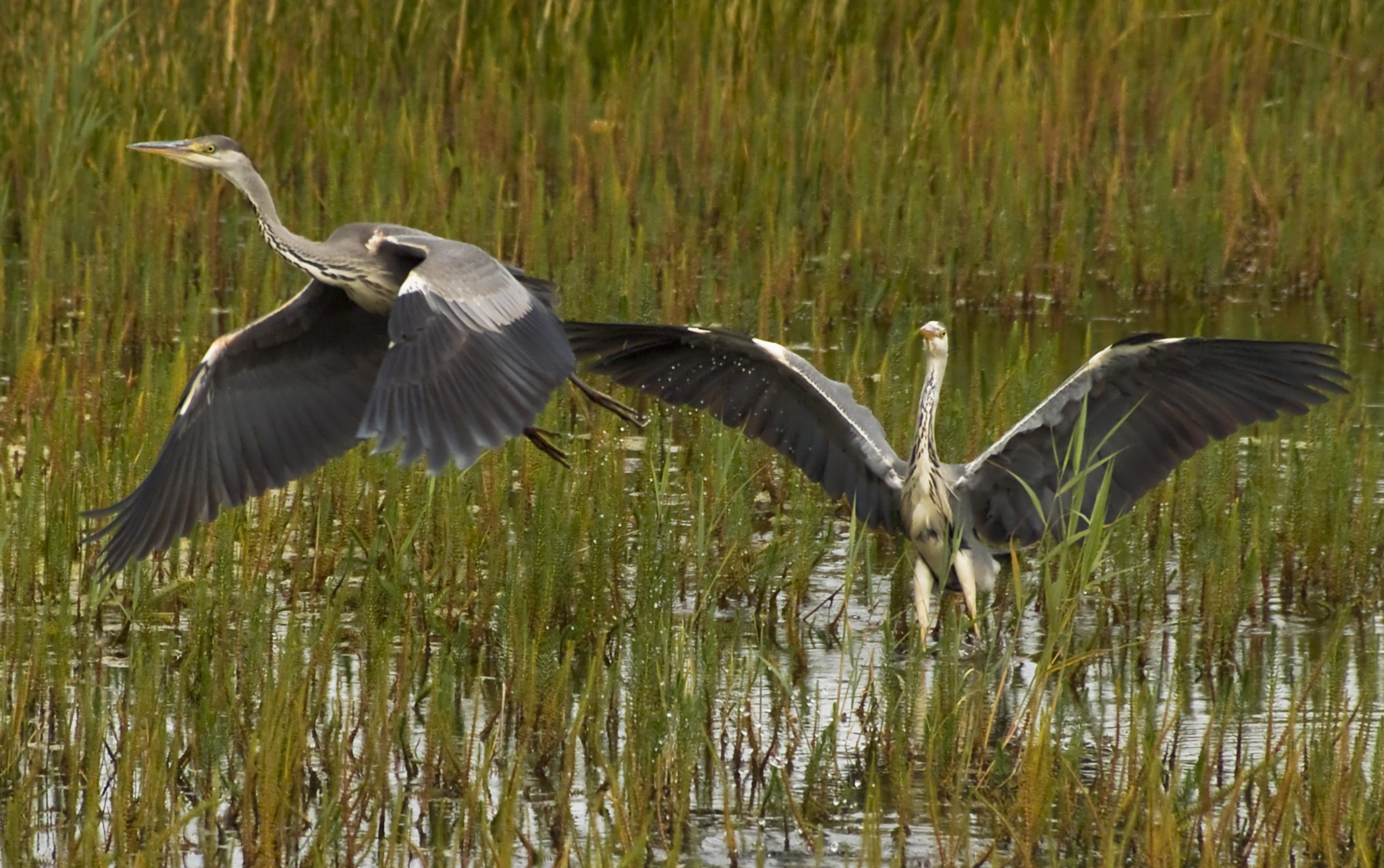
With habitats including wildflower meadows, grassland, scrub, reed bed and woodland areas, the reserve attracts a variety of wildlife including the occasional Grey Partridge, Otter and Kingfisher. Notably, during spring, the site is alive with the beautiful song of Skylark, while in summer, visitors can delight in the aerial shows of Swallows, Swifts and Sand Martins. Towards the end of summer, flocks of Goldfinches can often be seen pulling the seeds out of the large stands of Teasel.
The park lies to the north of Gosforth Park, on a strategic wildlife corridor. From the hilltop, with a prominent drill head sculpture reminiscent of the site’s mining past, it’s possible to view the North Sea, the Cheviots and Newcastle city. The Seaton Burn runs close by and the Weetslade reed beds, are home to many species of invertebrates such as Common Blue Damselflies and birds such as Reed Buntings. The reed beds also provide important winter roost sites for Pied Wagtails and Starlings. Small pockets of Willow carr have been planted around the edges providing a foraging habitat for Great Crested Newts and Daubenton’s Bats.
Wide Open,
Newcastle upon Tyne,
Tyne and Wear,
NE23 7LZ
Weetslade Colliery opened in 1903. Previous owners include Burradon & Coxlodge Coal Company Ltd, Hazelrigg & Burradon Coal Company and the National Coal Board. During 1947 an estimated 160,000 tons of coal was dug from this colliery and was used for household, manufacturing and steam production. Employment throughout the colliery’s history varied from 1170 workers in 1940 to 555 in 1950 and 896 in 1964. The colliery finally closed in 1966.
Part of the site remained in use as a washery until 1980. Since the site was abandoned, it was left to the process of natural re-colonisation. In the mid 1990s the site was designated a Site of Nature Conservation Interest due to the establishment of a complex and diverse mosaic of vegetation types.
In the 1990s One North East (the Regional Development Agency) acquired the derelict land and began restoration works. The former colliery spoil tip and surrounds were re-landscaped to create a new Country Park. The most extensive piece of work undertaken was the re-profiling of the spoil heap, making the steep slopes shallower allowing an easier climb to the hill top. Some natural vegetation was left untouched on the south side of the hill and within the marsh area. The rest of the site was ploughed and re-seeded with a mixture of acid, neutral and amenity grassland and scrub species. Additional hedges, native trees and scrub were planted in blocks around the site. Three wetlands were created to increase the variety of habitats on the site.
One North East transferred the Country Park to The Land Trust in 2006 who appointed Northumberland Wildlife Trust as managing agent to manage the Park.
Direct any queries to mail@northwt.org.uk or call NWT direct on 0191 2846884