
12th March 2026
The Land Trust Perspective: Navigating Government Stewardship Consultations
By Alan Carter, Chief Exec at the Land Trust
On 18 December 2025, the government released two consultations that could fundamentally reshape how residential estate stewardship is delivered across England. For those of us in the green space management sector – and, dare I say, for anyone who’s ever tripped over poorly maintained shrubbery – this is a pivotal moment. It’s an opportunity to finally get this kind of stewardship right: for residents, for developers, for the planet, and for the public purse. As the UK’s leading charity for green space management, the Land Trust welcomes this spotlight on stewardship and the opportunity to offer our humble (but not shy) perspective. We’re not just cutting grass and mending the play equipment though – we’re strategic partners for housing and developers seeking reliable, regulated, non-local authority adoption solutions; solutions which deliver long term social impact.

About the Land Trust: A brief introduction
If you haven’t heard of the Land Trust, you’ll almost certainly have enjoyed or heard of one of our almost 90 sites across England, be it a restored brownfield site, a community park, nature reserve or residential development. Since our inception, almost quarter of a century ago, we’ve become the UK’s premier charity dedicated to green space management, with a mission to make land work for people, wildlife, and the economy. In 2024/25 the Land Trust delivered £76.9m worth of social value, a figure which is growing year on year. Our expertise spans sustainable brownfield restoration, innovative stewardship models, and best-in-class solutions that put communities at the heart of decision-making.
Best-in-Class stewardship solutions
Brownfield restoration plays a crucial role in sustainable development. Over the years, the Land Trust has helped transform more than 2,000 hectares of previously neglected land into vibrant spaces that support biodiversity and offer genuine benefits to local communities. We have come to understand that stewardship solutions, however structured, for SANGS, contaminated land, or even the amenity land around large residential developments, needs to be planned with longevity in mind – aiming for lasting value rather than quick, temporary fixes.
This work should, in our opinion, centre on transparency, accountability, and involving local people in decisions. We’ve collaborated with developers, local councils, and residents to develop stewardship models that respond to changing needs, budgets, and aspirations. Our flexible approach can combine different funding methods (endowment and service charge), making it more manageable for both residents and developers. Whether it’s a single park or a new town development, we try to shape our solutions to provide meaningful social and environmental outcomes.
The stewardship challenge: Why reform is needed
Let’s be honest: the current stewardship system as a whole is problematic. The Government’s consultations acknowledge these systemic issues and seek ideas for their reform. As the trade press and professional readers will know, it’s not just about who cuts the grass. It’s about empowering residents, ensuring accountability, and delivering value.
Transparency has been a buzzword for years, but in stewardship, it’s the difference between thriving communities and postcode lotteries. Accountability, too, is often mentioned but rarely embedded. Residents deserve clarity on costs, services, and who to call when the public bins are overflowing.
Empowering residents: The core issue
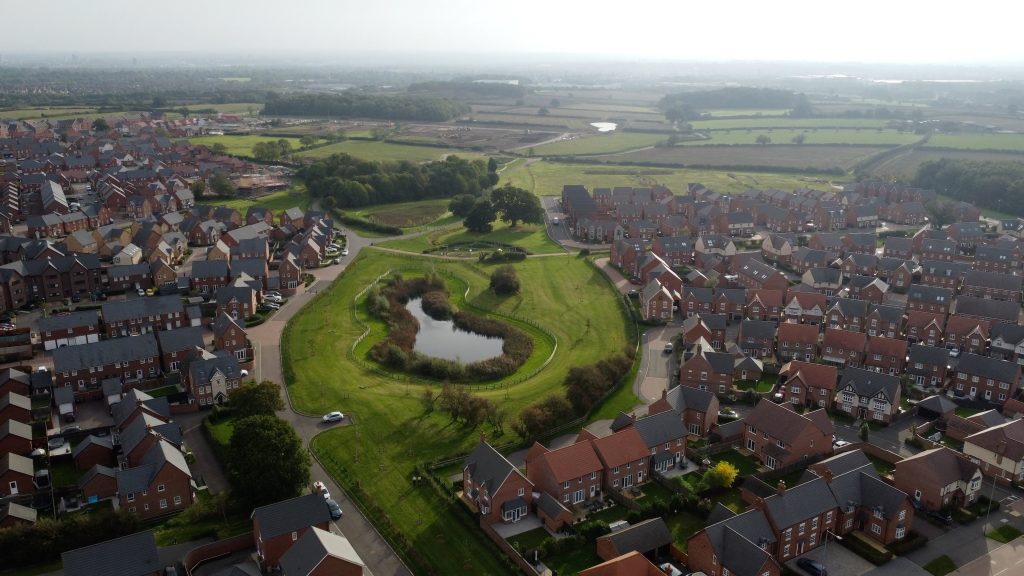
At the Land Trust, we believe stewardship should be resident-centric. That means reforms must be designed with the community in mind, not just the convenience of authorities, or the bottom line of developers and private sector stewardship providers. It’s about genuine engagement, not box-ticking exercises. I’m not saying that the Land Trust gets it right every time – we make mistakes, but we are committed to ensuring that when we do make mistakes, we acknowledge them, do what we can to fix the problem, but most importantly, learn from it.
Five forefront points for consultation
1. Resident-centric reforms
Putting residents first isn’t just good politics – it’s good stewardship. Our experience has shown that when communities are involved in shaping services, satisfaction rises and complaints drop. We advocate for reforms that give residents meaningful input, clear information, and accessible feedback channels. If you want to know what people really want from their green spaces, ask them – and listen.
2. Developers need for efficient solutions
Developers are under increasing pressure to deliver sustainable, well-managed estates without relying on overstretched local authorities. The Land Trust provides efficient, reliable stewardship options that de-risk projects and enhance reputational value. We know the importance of early viability assessments – a well-planned stewardship model can prevent headaches (and heartaches) down the line.
3. Wider social and environmental benefits
Stewardship isn’t just about emptying bins and fence painting. Our solutions deliver measurable social value: improved health, increased biodiversity, stronger community cohesion, and safer, happier places to live. We’ve seen brownfield sites blossom into hubs of activity, wildlife, and wellbeing. This wider impact must be recognised in the Government’s reforms.
4. A regulated menu of stewardship options
There’s no one-size-fits-all. We advocate for a regulated menu of stewardship options, so developers and communities can choose what works for their context – from traditional endowment models to innovative and fair service charge arrangements, with income earning opportunities utilised to reduce residents’ bills. Regulation brings consistency and confidence, without stifling flexibility.
5. Whole-life cost modelling
The true cost of stewardship isn’t just the first-year maintenance bill. We champion whole-life cost modelling, ensuring that there is a secure sinking fund in place for the assets on these sites. This prudent financial planning covers the entire lifespan of assets and services. This approach protects residents from unexpected costs and ensures sustainability for the long term.
Ministerial views and sector realities
It’s clear that ministers are concerned about estate management quality – and rightly so. Too many estates have suffered from inconsistent standards, opaque charges, and poor delivery and communication. The Land Trust has worked to address these concerns, demonstrating how NGOs and the third sector can bridge gaps and raise standards. Our best-practice models draw on lessons from both public and private sector approaches, learning the lessons of the 80s as well as the noughties. We combine the rigour of regulation with the socially driven creativity of charitable innovation.
We’re proud to collaborate with Government, local authorities, and industry partners, but we also welcome the opportunity to strengthen our own offering. We believe that NGOs have a unique role in stewardship: we’re independent, community-focused, and driven by mission rather than margin. We will hold the developer to account to make sure that they deliver what they promised to deliver, but we will also hold our contractors and partners to account and make sure they deliver the maintenance that the residents need and are paying for.
Financial implications and adoption models
Adoption costs are a major concern for developers and taxpayers alike. Poorly planned stewardship leads to spiralling costs, unhappy residents, and political headaches. The Land Trust advocates for early viability assessments, transparent service charge structures, and/or endowment funding models that provide long-term security. Our experience shows that clarity at the outset prevents disputes and delivers better outcomes.
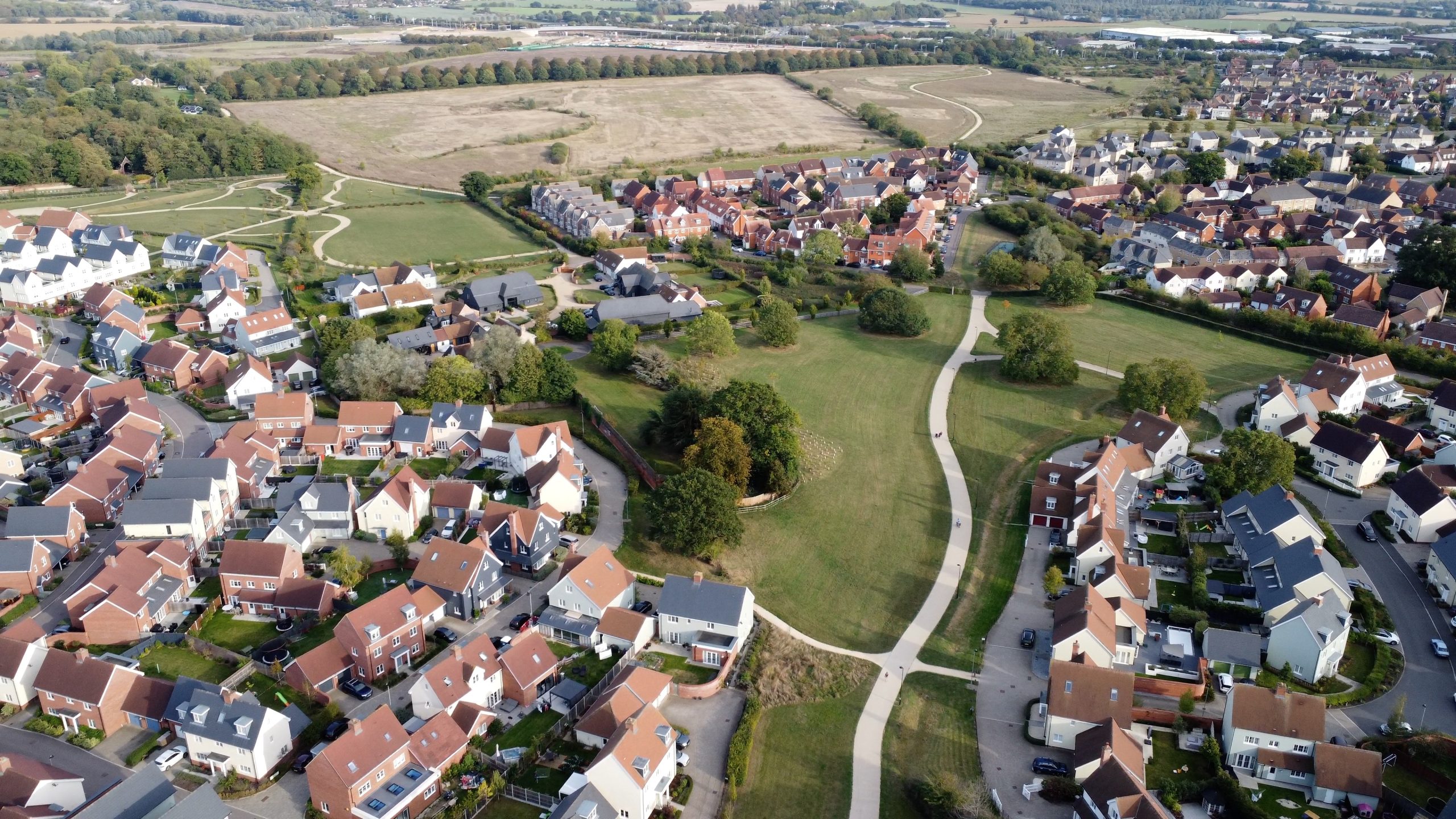
For large developments, bespoke stewardship models are essential. We’ve worked on high-profile projects like Whitehill and Bordon, tailoring solutions to local needs and involving residents at every stage. Accountability is built in, not bolted on.
Stewardship models for large developments
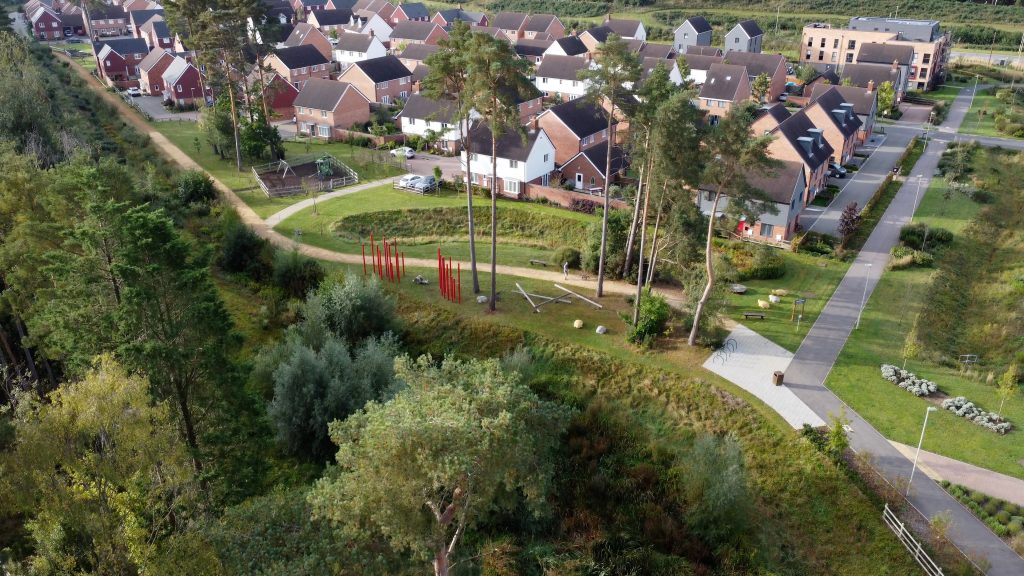
Large-scale estates require strategic thinking – and perhaps a little patience. The Land Trust’s approach is to work with developers and residents to create stewardship models that are fit for purpose, flexible, and future-proof.
Examples like Beaulieu, Upton, Linmere, Whitehill and Bordon amongst many others, illustrate the value of bespoke and award-winning solutions: local input, robust governance, and transparent funding. We believe that every large development should have a stewardship plan designed from the outset, with clear milestones and resident empowerment built in.
Policy recommendations: Towards national standards
Drawing on our research and practical experience, we recommend the following for government and industry partners:
Our Tomorrow’s World report and Future Proofing the Public Realm report provide detailed evidence and case studies supporting these recommendations.
Building industry consensus
The Land Trust understands the importance of collaboration. We’ve initiated roundtable discussions, built coalitions with other stewardship providers, and published open letters to government and industry.
If consensus-building were easy, we’d all be out of a job – but we’re committed to driving positive change, even if it means admitting that we don’t have all the answers, but we are always ready to learn. Our door is open, our phone is charged, and our coffee is strong.
Conclusion: A call for nuanced, regulated stewardship
The Government’s consultations are a once-in-a-generation opportunity to transform stewardship and create sustainable, thriving communities. The Land Trust stands ready to partner with government, developers, and residents to deliver nuanced, regulated solutions that put people and place first. If you have thoughts, questions, or would like to hear more about the work we do, please get in touch. The Land Trust is here for you – and for the places we all call home.