
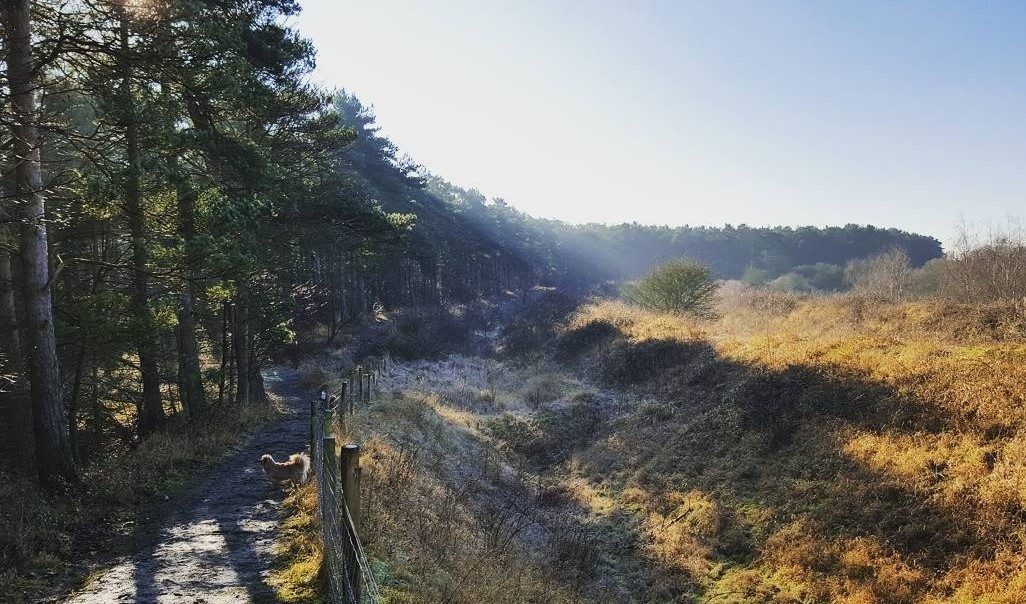
Part of Twywell Hills and Dales is a designated Site of Special Scientific Interest for botany, featuring an excellent invertebrate fauna that is evident throughout much of the site. It is also recognised as one of the best locations for butterflies in Northamptonshire. However, these elements of the site were in poor condition, and the extensive grassland restoration project led by the Land Trust has removed significant areas of scrub and is witnessing large tracts of grassland recovering to support the plants and butterflies, while also enhancing the accessibility for walkers.
Over thirty butterfly species have been observed on site. Some of these include Skippers, Whites and Yellows, Browns, Fritillaries, Admirals, Tortoiseshells, Coppers, Hairstreaks, and Blues.
The site has a Friends of Twywell Hills and Dales Nature Reserve who assist with a variety of tasks and events on site. The group can be found on Facebook at https://www.facebook.com/groups/twywellnaturereserve/about/.
Open access
There is free parking at the site. Car park open dawn until dusk.
There is a large open space which is accessible for wheelchairs, mobility scooters and pushchairs, but there are some areas which are not suitable.
There are no public toilets on site however there are a number of pubs in the surrounding villages such as Twywell, Cranford, Woodford and Barton Seagrave.
Regularly the Barista Bus is found on site near the car park serving hot and cold drinks, snacks and cake as well as treats for our doggy friends. For confirmation of opening times check out their Facebook page - www.facebook.com/baristabus.co.uk. The Old Friar at Twywell is also located to the rear of the site.
Paths are unsurfaced and range in condition from good to challenging in places.
Well behaved dogs are welcome on site. During parts of the year cattle graze on site. While 2/3 areas are not grazed on, clear red signage is placed at the entrances to the areas where cattle are. Please be respectful and keep your dog under close control when in these areas.
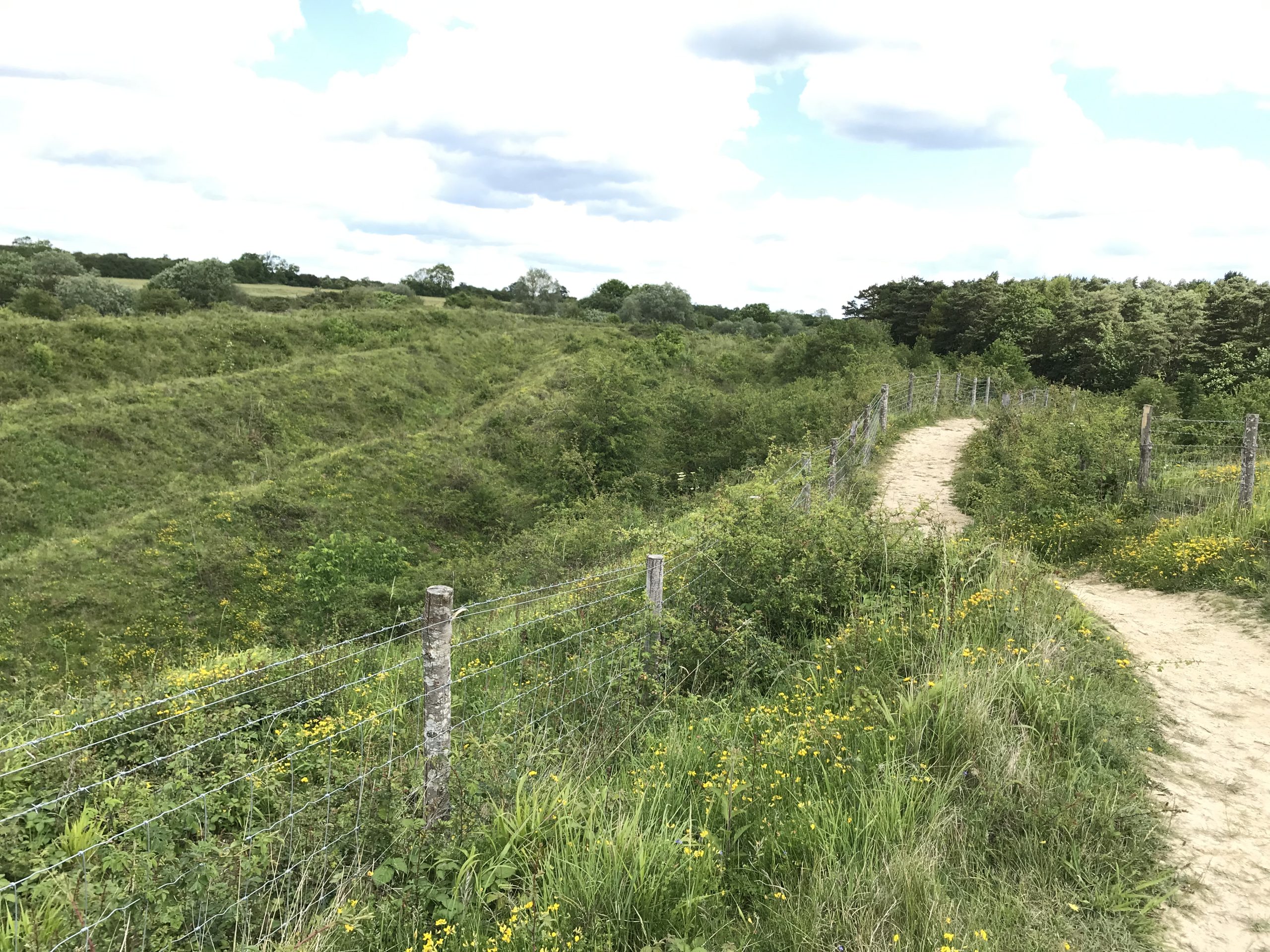
The eastern part of the reserve comprises woodland and a deep gullet of steep banks exposed by limestone extraction. Opposite the car park lies the area known as the Whitestones, formed from limestone spoil. This predominantly grassland area, interspersed with scrub and flower-rich hollows, is an excellent habitat for butterflies.
The Woodland Plantation is part of the broader Twywell Hills & Dales complex of habitats. Many of the butterflies found in the more open and grassy areas at Twywell can also be observed in and around the Woodland area.
The Gullet Woodland is worth a visit to find similar species; moreover, in the last couple of years, due to climate change, the variety of butterflies in the Woodland Plantation has increased, with the addition of two of our most colourful and charismatic butterflies, the Purple Emperor and the Silver-washed Fritillary. Last year also marked the arrival of the Dark Green Fritillary.
Twywell, Kettering, ,
East Northamptonshire ,
NN14 3AL
The site was used as an ironstone quarry from 1920-1948. As quarrying developed through these years, machinery was brought in and a railway line was laid to carry the stone up to Islip furnaces. The affects from this process can be seen in ridges of the gullet area of the site. This area is now designated as a Site of Specific Scientific Interest (SSSI) because of its rich wildlife. It provides a home for great crested newts, badgers, rare butterflies, dragonflies and beetles. Its flora is also of particular interest and a range of wildflowers can be found across the hills and dales.
Groundwork East
Green Projects Manager
E: Nathan.wearn-hutter@groundwork.org.uk
M: 07851 248107